Newly launched food safety training manual set to rewrite Kenya’s street food narrative
The main purpose of the manual is to equip street vendors with the knowledge and skills needed to source, store, and prepare safe and nutritious food for human consumption
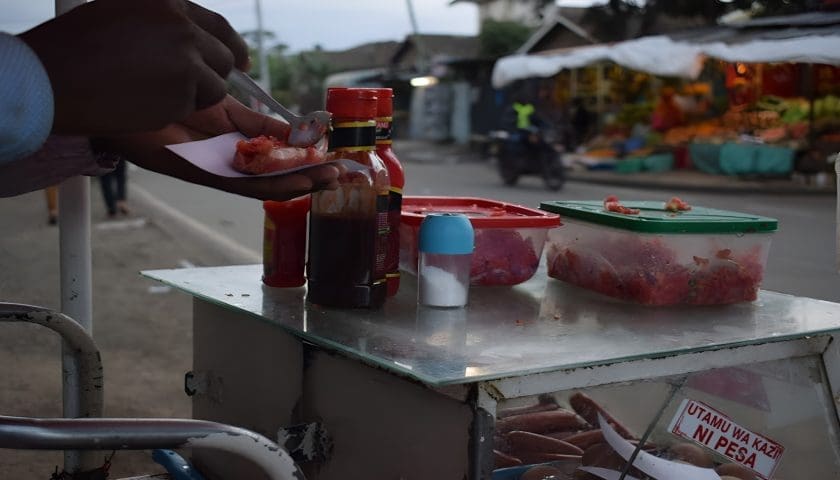
KENYA – The African Population and Health Research Center (APHRC), in collaboration with the Nairobi City County Government and the University of Nairobi, has launched a new Food Safety Training Manual for Street Vendors, offering practical guidance on hygiene and safe food handling.
The main purpose of the manual is to equip street vendors with the knowledge and skills needed to source, store, and prepare safe and nutritious food for human consumption
It consists of nine modules, cutting across food contamination, ingredient selection, water quality and safety, and hygienic practices in street food vending.
Matters food preparation environment and pest control, food holding and storage, waste management, food fraud, and awareness on regulations governing street food vending businesses are also spotlighted.
The manual has been informed by international, regional and national guidelines and legal frameworks, including Codex, Public Health Act, Cap. 242, Food, Drug and Chemical Substances Act, Cap. 254 Laws of Kenya.
While food safety remains the primary concern in street food vending, the manual also recognizes a range of associated challenges, including poor sanitation (such as waste accumulation and blocked drains), urban congestion, obstruction of pedestrian pathways by hawkers, traffic hazards, and the unauthorized use of public and private spaces.
It further acknowledges underlying social issues like child labour and unfair competition with the formal trade sector.
Stakeholder perspectives
The Nairobi County Director of Environmental Health, Anthony Muthemba, said this move follows a ban on the sale of street food by County Authorities after it emerged that they were not regulated and had, over the years, resulted in outbreaks of foodborne diseases.
He added that the new regulations, which are also the first-ever Food Safety Training Manual for Street Food Vendors, will see the resumption of food hawking on the streets.
“We are looking at first training the vendors and making them allies in food provision for the urban population. This recognizes their trade and equips them with the necessary knowledge in terms of food production, food handling and sourcing. Therefore, food vendors will be into it for the economic gain,” he added.
Mr. Muthemba further emphasized that the trained vendors will undergo medical examinations and be issued with certificates for easy identification, as well as special badges, to be allowed in specific areas.
Dr Elizabeth Kimani-Murage, Senior Research Scientist and Lead – Nutrition and Food Systems Unit, APHRC, commented, saying, “This manual is a step toward our goal of transforming food systems to ensure food safety. It supports vendors in upholding the right to food by ensuring that food is not only available but also safe to consume.”
Sophia Wangui Wachira, a street food vendor from Korogocho who shared her experience and the impact of support from public health officers, said they used to buy food near the dumping sites as it was cheap.
“We used to come and sell, but since public health officers came to train us, there is a big improvement in how to handle food, and we will now go and educate others on cleanliness in our market and working spaces,” she said
While welcoming the new regulations, Consumer Grassroots Association Director Dr Alice Kemunto said the manual will offer solutions to the food that is needed in Nairobi.
“The food basket is going to be full of safe and affordable food because, in the street, most of the food is quite affordable / pocket-friendly for the consumers. So, this manual is going to not only help the vendors but also the consumers to know what to look for when they go to purchase this food from the streets,” she said.
Dr Kemunto urged consumers to go through the manual, saying it will help them identify zoned food places.
The Food Safety Training Manual for Street Food Vendors is available for use by county governments, health officers, training institutions, and civil society organizations working to transform food systems across Kenya.
Sign up HERE to receive our email newsletters with the latest news and insights from Africa and around the world, and follow us on our WhatsApp channel for updates.