
Kenya launches US$8.4B NASIP to modernize agriculture, create two million jobs
The plan aligns with broader African development goals and emphasizes the importance of climate-resilient farming and sustainable financial models.
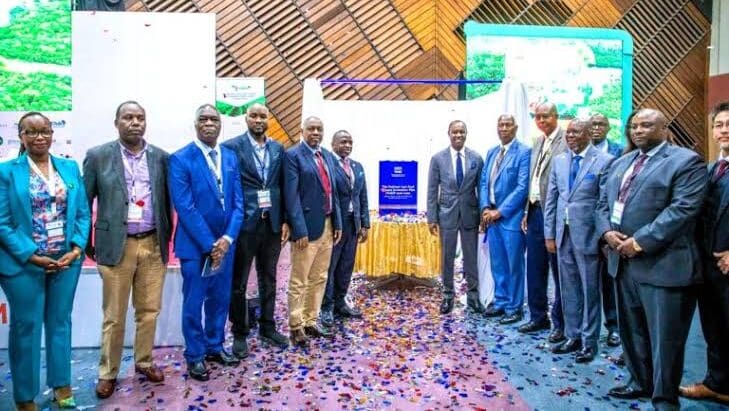
KENYA – Kenya’s Ministry of Agriculture and Livestock Development has launched the National Agri-food Systems Investment Plan (NASIP) 2026-2030, a KES 1.081 trillion (approx. US$8.4 billion) investment framework aimed at overhauling the agricultural sector over the next five years.
The plan was launched during the Financing Agri Food Systems Sustainably (FINAS) Summit 2026 in Nairobi as part of the second phase of the Agricultural Sector Transformation and Growth Strategy (ASTGS 2019-2029).
According to Principal Secretary Jonathan Mueke, the investment framework aims to strengthen food security, modernize agricultural value chains, expand irrigation, increase farmers’ incomes, create more than two million jobs, and position Kenya as a regional hub for agri-food investment.
“I am equally proud that the 2026 FINAS Summit provides the platform for the official launch of the National Agri-food Systems Investment Plan (NASIP 2026-2030). At the heart of NASIP is a fully costed investment framework of KES 1.081 trillion over the next five years,” Mueke said.
Funding for this initiative will be shared among the government, private investors, and international partners. The Government of Kenya and county governments are expected to provide 35% of the investment, the private sector 45%, and development and bilateral partners the remaining 20%.
Furthermore, the launch coincided with discussions on implementing the Comprehensive Africa Agriculture Development Programme (CAADP) Kampala Declaration and its 2026-2035 strategy, which focuses on sustainable food production, agro-industrialization, trade, investment, climate resilience, and food systems governance.
The summit also examined blended finance, climate-smart investment pathways, and financing models for agri-food systems, alongside country case studies from Kenya, Nigeria, and Ethiopia.
Delegates reviewed tools, including the Food and Agriculture Organisation’s Monitoring and Analysing Food and Agricultural Policies (MAFAP) expenditure reviews and the World Bank and IFAD Financial Flows to Food Systems framework, to identify financing gaps and to encourage public and private investment.
The plan aligns with broader African development goals and emphasizes the importance of climate-resilient farming and sustainable financial models.
In the end, by focusing on value-chain improvements, Kenya aims to establish itself as a dominant regional leader in agricultural trade and investment. Together, these efforts form a strategic roadmap to modernize food production, expand irrigation, and create more than two million new jobs for the nation.
Sign up HERE to receive our email newsletters with the latest news and insights from Africa and around the world, and follow us on our WhatsApp channel for updates.