Kenya sugar industry earns US$258.3M in 7 months
Higher cane supplies and revived sugar mills have pushed Kenya’s sugar production higher, while increased domestic output has reduced reliance on imports and eased prices.
KENYA – Kenya’s sugarcane farmers earned an estimated Kes 33.5 billion (US$258.3M) in the seven months to July as a surge in cane deliveries boosted domestic sugar production and helped ease consumer prices.
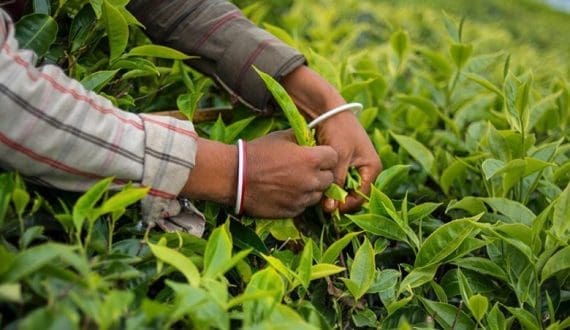
Farmers delivered 5.94 million tonnes of sugarcane during the period, up from 4.12 million tonnes a year earlier. The increased supply lifted domestic sugar production to 528,874 tonnes, according to data from the Kenya Sugar Board.
July recorded the industry’s strongest monthly performance, with sugar production reaching 91,022 tonnes as cane deliveries crossed one million tonnes for the first time.
Cane deliveries stood at 1.013 million tonnes in July, more than double the 501,604 tonnes recorded in July 2025 and above the previous monthly record of 998,010 tonnes set in June.
Finished sugar output has risen alongside cane deliveries. July production increased 115.4% year-on-year from 42,255 tonnes, while June output rose 134% to 89,709 tonnes. Production in the first seven months was also 12.9% above the comparable 2024 period and more than double the level recorded in the first seven months of 2023.
The recovery has coincided with the return of milling capacity that had been idle or operating below potential. Mumias Sugar’s operating business, run under a lease arrangement by Sarrai Group, processed 638,086 tonnes of cane in 2024, up 230% from 193,377 tonnes a year earlier.
The government also leased Nzoia, Chemelil, Muhoroni and South Nyanza sugar companies to private operators, returning four state-owned mills to production. The factories have combined installed milling capacity of about 11,200 tonnes of cane per day, according to Treasury disclosures.
Agriculture Principal Secretary Paul Rono said the revival of the mills had increased production and reduced the need for imports.
“We have stopped the importation of sugar because Kenya is producing enough for its own consumption. Anyone involved in smuggling sugar into the country must stop immediately,” Rono said.
The broader restructuring followed the government’s write-off of about Kes 117 billion (US$902.01M) in legacy debts and tax arrears owed by public sugar mills, alongside settlement of farmer and employee arrears.
The Sugar Act 2024 also re-established the Kenya Sugar Board and created the Sugar Development Fund and Kenya Sugar Research and Training Institute. A 4% Sugar Development Levy took effect in July 2025, with funds allocated to cane development, factory rehabilitation, research and training.
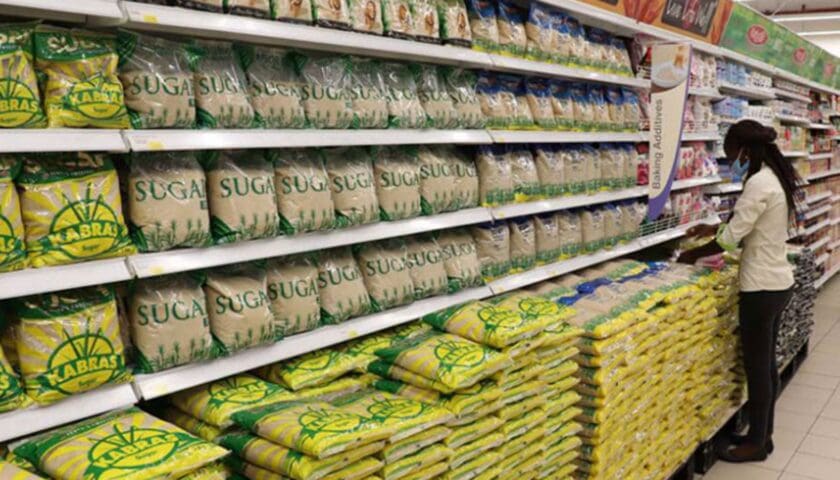
The production gains are feeding through to the domestic market. Sugar imports fell 52% month-on-month in July, while closing stocks increased 14.3%.
The regulator reported an average retail sugar price of about Kes 155 (US$1.19) per kilogramme, while the minimum cane price stood at Kes 5,500 per tonne.
Sign up HERE to receive our email newsletters with the latest news and insights from Africa and around the world, and follow us on our WhatsApp channel for updates.