
Lebanese exporters face regulatory shifts, competition in Saudi market return
Administrative requirements have been tightened, with more paperwork, more permits, and increased phytosanitary tests required.
LEBANON – Lebanese agricultural exporters are cautiously attempting to re-establish their presence in the Saudi Arabian market following the lifting of a five-year import ban, but face significant regulatory changes, stiff competition, and logistical complications, according to Michel Rahme, CEO of Nasr Rahme.
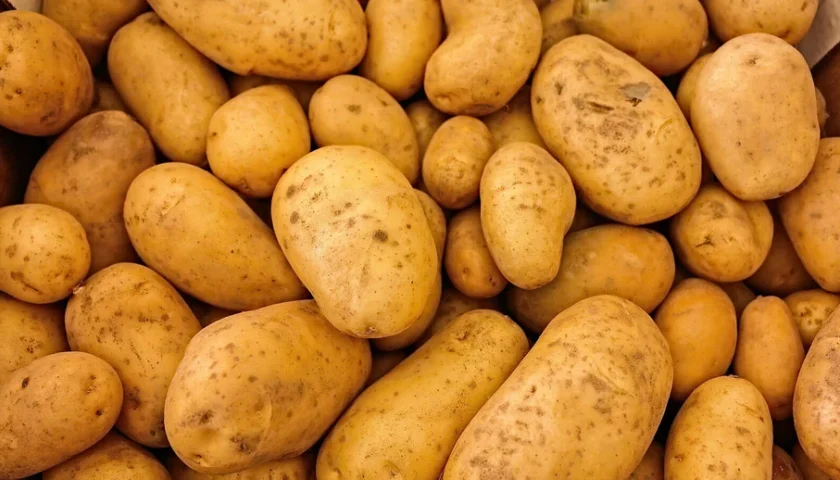
“I used to export a lot of potatoes to Saudi Arabia before the ban in 2021. Today, the situation on the ground isn’t entirely clear. The market has changed significantly, particularly for potatoes: demand simply isn’t as strong as it used to be. We still have more questions than answers, and we’re conducting market research to understand where we really stand,” Rahme says.
“Our return to the market isn’t going as smoothly as we had expected.” Much of this uncertainty stems from changes to Saudi Arabia’s import regulations, which now apply to all exporters to Saudi Arabia. Administrative requirements have been tightened, with more paperwork, more permits, and increased phytosanitary tests required.
Furthermore, the resumption of exports will not occur at the same pace across all products. “Some products should be easier to reintroduce to the market, such as grapes and avocados. Other products, like potatoes, are much more difficult. We believe there is an opportunity for us with industrial potatoes, but we don’t yet know what volumes we could actually supply,” Rahme explains.
The challenge for certain staples is that five years of Lebanese products’ absence from the market have enabled competitors to firmly establish themselves. Egypt, Jordan, Syria, and other alternative sources have replaced Lebanon in the potato segment, while Saudi Arabia has also increased local production.
In addition, logistics pose another significant hurdle. Transport routes to Saudi Arabia remain uncertain, with land shipping still affected by the situation in Syria and border crossings operating at limited capacity. The Lebanese government still hasn’t installed a scanner at the border.
Despite these challenges, the Chamber of Commerce and the Ministry of Agriculture are supporting exporters through webinars that introduce the new regulatory framework and will continue working with them throughout the process.
“For now, we plan to participate in trade shows in Saudi Arabia, to take our time to understand how the market works today, make new contacts, and do our own research,” the exporter concludes.
Inevitably, this strategic effort, supported by government agencies, aims to help Lebanese farmers gradually regain their former position in regional markets.
Sign up HERE to receive our email newsletters with the latest news and insights from Africa and around the world, and follow us on our WhatsApp channel for updates.