Malaysia restrictS meat, poultry imports to products with Halal certification
Move affects imports from the US and ties to halal standards set by JAKIM
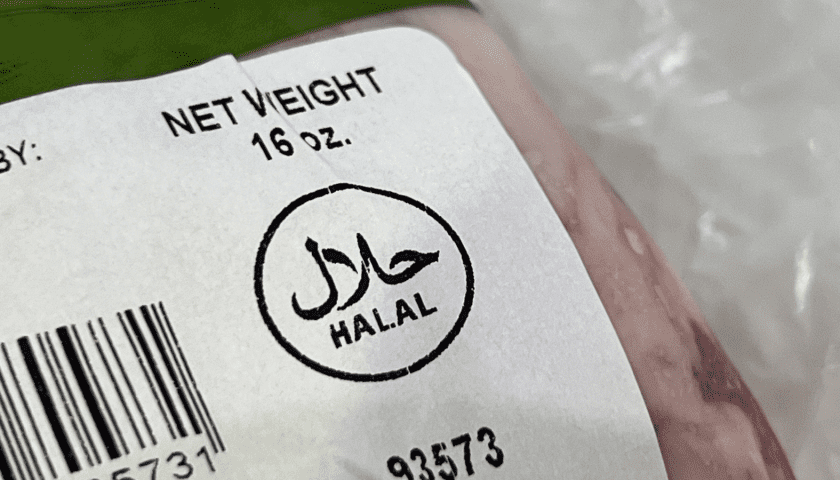
MALAYSIA – Malaysia is now requiring all imported meat and poultry products from the United States to carry halal certificates issued by US bodies that meet standards set by the Department of Islamic Development Malaysia (JAKIM).
Investment, Trade and Industry Minister Tengku Datuk Seri Zafrul Abdul Aziz said the government will maintain strict adherence to halal rules in line with Shariah law to protect Muslim consumers in the country.
He stated that the arrangement only applies to monitoring and verification processes handled by US halal certifiers recognised by JAKIM and dismissed claims that Malaysia would accept all US halal certificates as false and misleading.
According to him, the position was agreed upon during recent tariff revision talks between the two countries, which also included steps to make the certification and registration of US facilities exporting dairy, meat and poultry products to Malaysia more efficient, provided they comply with local regulations.
The talks also resulted in both nations agreeing to apply a ‘regionalisation’ approach for controlling animal diseases when exporting live poultry from the US, alongside discussions on other goods such as cars, medical devices and pharmaceuticals that must meet Malaysia’s domestic standards.
Further, both governments agreed to strengthen cooperation and enforcement on intellectual property rights, labour matters, environmental protection and sustainable fisheries, aligning with Malaysia’s commitments to relevant international organisations.
Earlier in January, the Halal Development Corporation Bhd (HDC), which operates under the ministry, set a goal of increasing the number of Malaysian halal exporters to 2,443 this year from 1,600 in December 2024.
HDC chief executive officer Hairol Ariffein Sahari noted that many local firms struggle to become halal exporters due to the absence of halal compliance managers, lack of expertise in identifying potential markets and a tendency to delay making strategic moves.
He said that businesses need market intelligence and a clear direction to navigate the halal sector effectively, especially when aiming for international markets.
HDC data shows that while over 200,000 companies operate in halal-related sectors, only 9,162 held JAKIM halal certification by the end of last year, with just 1,600 qualifying as exporters despite a global halal market exceeding US$3 trillion.
Looking ahead, HDC chairman Khairul Azwan Harun said Malaysia will use its ASEAN chairmanship to assist other member states in building their halal sectors while boosting intra-ASEAN halal trade.
He added that HDC intends to work with agencies such as the Malaysia External Trade Development Corporation and JAKIM to expand the reach of Malaysia’s halal products internationally.
Sign up HERE to receive our email newsletters with the latest news and insights from Africa and around the world, and follow us on our WhatsApp channel for updates.