
Mozambique’s poultry output nears 100,000 tonnes in nine months
Country records major progress in chicken and egg production as imports decline
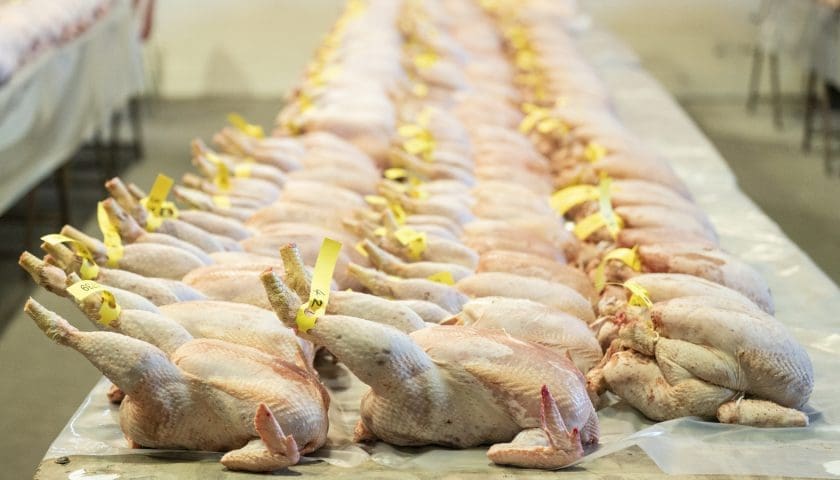
MOZAMBIQUE – Mozambique’s poultry industry has posted strong growth this year, producing close to 100,000 tonnes of chicken meat and more than 23 million dozen eggs between January and September.
The figures, shared by Minister of Agriculture, Environment, and Fisheries Roberto Albino, reflect the country’s growing ability to meet domestic poultry demand and reduce dependence on imported products.
According to the minister, poultry is now one of the fastest-expanding segments within Mozambique’s livestock sector, supported by government-backed programs that encourage local production and investment.
In recent years, authorities have introduced initiatives to improve access to modern equipment, feed, and hatchery facilities while promoting smallholder participation in the poultry value chain.
The government has also extended incentives to private investors to set up feed mills, incubators, and slaughterhouses, a move that has increased the participation of small and medium enterprises in the national supply chain.
Feed producers are sourcing more maize and soybeans locally, helping reduce reliance on imported inputs and strengthening linkages with crop farmers.
Last year, Mozambique recorded an output of around 135,000 tonnes of chicken meat and about 30 million dozen eggs, showing a steady upward trend in production over time.
Minister Albino said the country is moving closer to achieving self-sufficiency in poultry, with imports now accounting for less than one-fifth of total chicken consumption.
Data from the ministry shows that from January to September this year, Mozambique imported about 21,800 tonnes of chicken meat and 5.4 million dozen eggs, representing a significant drop compared to previous years.
This reduction suggests that local producers are increasingly meeting consumer demand with affordable, domestically produced poultry.
Challenges in Feed and Input Supply
Despite the gains, the industry still faces hurdles related to the supply of quality feed ingredients and day-old chicks, which remain uneven across regions.
National Director of Livestock Rafael Estevão said a large portion of raw materials used in animal feed, especially maize and soybeans, are still brought in from outside the country.
He added that dependence on imported feed ingredients raises production costs, limiting the competitiveness of local farmers in both price and volume.
Even so, poultry farming continues to create jobs, support rural enterprises, and open up opportunities for youth and women in agribusiness.
The sector’s expansion has further encouraged the growth of small and medium enterprises involved in processing, packaging, and distribution.
Sign up HERE to receive our email newsletters with the latest news and insights from Africa and around the world, and follow us on our WhatsApp channel for updates.