

Nigeria, Taiwan partner to modernize vegetable sector with protected cultivation
Post-harvest handling was another focus, particularly for tomatoes.
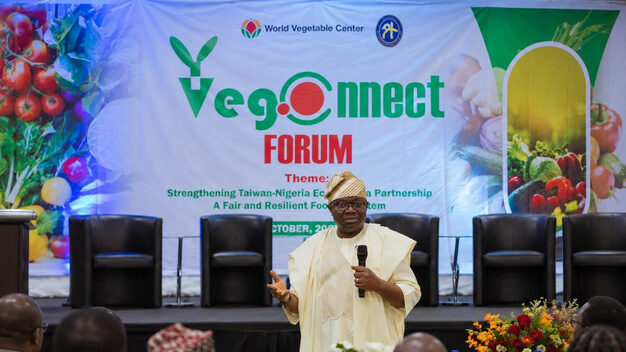
NIGERIA – Nigerian and Taiwanese organizations have partnered to explore applying Taiwanese technology and expertise in Nigeria’s vegetable sector, including seed systems, protected cultivation, irrigation, digital farming, and post-harvest handling, according to WorldVeg.
Nigeria harvested nearly 16 million tons of vegetables in 2020, according to FAO data. With the country’s population projected to rise from about 240 million to 374 million by 2054, vegetable supply will need to expand.
Growers of tomatoes, peppers, onions, and okra face constraints, including access to quality seed, crop management, and post-harvest losses.
Organizers said they discussed these issues at the Taiwan-Nigeria VegConnect Forum in Lagos, organized by WorldVeg with the Taipei Trade Office in Nigeria and funded by Taiwan’s Ministry of Foreign Affairs.
One focus was improving access to vegetable varieties tolerant of heat, drought, pests, and diseases, with participants discussing closer links among breeders, seed companies, regulators, seed growers, agrodealers, and farmers.
“A breeding result becomes impact when farmers can plant it,” said WorldVeg Senior Scientist for Pepper Breeding Derek W. Barchenger.
“Improved varieties and technologies must move through effective seed systems, production systems and markets. Delivery must be planned alongside research.”
Post-harvest handling was another focus, particularly for tomatoes. Options discussed included packaging, cooling, storage, drying, and processing, along with investment in irrigation, electricity, transportation, and produce collection facilities.
Taiwanese expertise in protected cultivation could also be applied to screenhouses, greenhouses, row covers, irrigation, and digital farming, according to WorldVeg.
In addition, digital systems that combine sensors with automated irrigation can monitor temperature, humidity, and soil conditions, while digital services could provide growers with weather forecasts, crop advice, pest and disease warnings, market prices, and buyer information.
Participants said technologies would need to be affordable, practical, and tested under Nigerian conditions. Training requirements include irrigation, crop protection, protected cultivation, food safety, post-harvest handling, and agribusiness management.
Potential next steps include assessing Nigerian vegetable seed systems, testing post-harvest systems along key growing corridors, demonstrating screenhouse and greenhouse technologies, introducing digital services, and providing technical training.
Finally, the partnership aims to transform the supply chain from breeding and cultivation to market distribution.
Sign up HERE to receive our email newsletters with the latest news and insights from Africa and around the world, and follow us on our WhatsApp channel for updates.