
QMS marks first year of Environment Baselining Pilot
Project aims to measure environmental impact of livestock farming across Britain
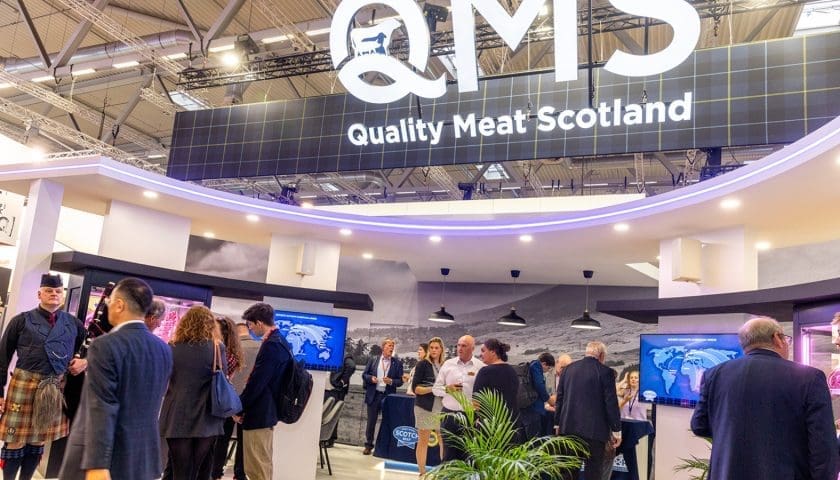
UK – Quality Meat Scotland (QMS) is marking one year since joining the Environment Baselining Pilot, a project designed to track and measure the environmental footprint of British livestock farms.
The initiative, launched in 2024 by the Agriculture and Horticulture Development Board (AHDB) with backing from QMS, seeks to generate accurate on-farm data to assess how different farming systems contribute to carbon sequestration and net zero targets.
According to QMS Head of Industry Development Bruce McConachie, the project gives farmers a way to demonstrate their environmental performance through measurable evidence rather than estimates.
Currently, the pilot is collecting data from 170 farms across Great Britain, including 35 in Scotland, representing beef, lamb, pork, dairy, and arable systems.
Establishing a baseline
The project’s initial focus has been to set a baseline for greenhouse gas emissions and carbon stocks, creating a reference point to monitor changes in future years.
A substantial portion of the project’s US$2.5 million (approx.) budget is being used to measure carbon stored both above ground in vegetation and below ground in soil and roots.
By comparing this data at the start and end of the five-year program, the team expects to identify which agricultural practices support higher carbon storage and how those can be expanded across the sector.
Work began late last year with aerial LiDAR scanning to measure carbon in trees and hedgerows, as well as to map potential water and nutrient run-off risks.
The scans were conducted in winter when trees were leafless, allowing algorithms to more accurately calculate woody biomass and ground elevation.
Despite logistical challenges caused by weather and the wide distribution of farms, nearly all sites were scanned, with two remaining to be completed in 2025.
Tracking carbon and soil data
Each farm is also completing an Agrecalc carbon audit to complement the LiDAR findings, using both GWP100 and GWP* methods to capture differences in methane reporting.
Although such calculators rely partly on international and national averages rather than farm-specific data, they still provide a consistent overview of emissions.
Soil carbon sampling has progressed more slowly due to seasonal farming activities, with about 54 percent of farms completed so far, according to project partner AgriCarbon.
The LiDAR farm reports, expected by the end of October 2025, have taken longer to finalise as teams work to ensure accuracy and clarity for participating farmers.
Next steps
Once farmers receive their audit results, they will collaborate on individual action plans to reduce emissions and improve carbon storage.
QMS and AHDB intend for the pilot to guide how a national environmental baseline could be implemented, making it more accurate and cost-effective.
Protocols developed during the pilot will be shared publicly, with the first set of results expected to be discussed later this autumn.
The findings are anticipated to inform future discussions on how British farming can balance production with measurable environmental benefits.
Sign up HERE to receive our email newsletters with the latest news and insights from Africa and around the world, and follow us on our WhatsApp channel for updates.