Skip to content


Potatoes
-

New potato wart case reignites US-Canada trade dispute over PEI imports
According to industry submissions, the pathogen can persist in soil for decades, and no chemical treatment is currently available to eliminate it.
-

Namibia spends US$12.5M on potato imports from South Africa, launches local production scheme
During the reporting period, Namibia’s total horticultural import bill reached N$1.7 billion (US$93.9 million), with South Africa accounting for 90% of horticultural imports.
-

Ethiopian potato sector attracts investment in seed, storage to close yield gap
Comparing Ethiopia’s current potato yields with global commercial production standards reveals a wide gap.
-
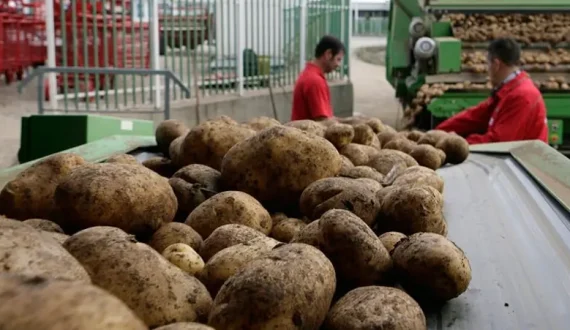
Pakistan potato exports hit 248,000 tons as production surges to 12 million metric tons
The phytosanitary clearance also signals stronger quality controls, potentially opening doors to other demanding markets.
-
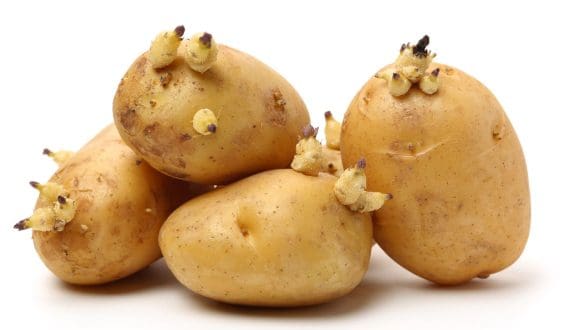
Taiwan updates US potato import rules, allows sorting of sprouted produce
The system combines border inspection with processing-level sorting to uphold agricultural and food safety standards.