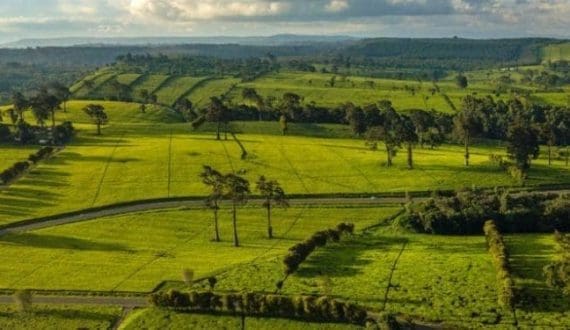

Tanzania’s tea sector rebounds as dormant factories reopen, new processing plants boost production
Tanzania’s tea industry records renewed growth, driven by factory revivals, new investments, and expanded processing capacity nationwide

TANZANIA – Tea production in Tanzania is experiencing a strong revival as previously inactive factories resume operations and new processing plants come online.
According to the Tea Board of Tanzania (TBT), national production increased by more than five percent to 22,000 tonnes in the 2024/25 season compared to 2023/24, with projections to exceed 30,000 tonnes of made tea in the current fiscal year.
TBT Director General Beatrice Banzi highlighted the impact of renewed investments in the sector, citing the Kilolo Tea Factory as a key example. Operating under a joint venture with Chinese investors, the facility is producing orthodox tea for both local consumption and export markets.
She also confirmed that the government is reviewing previously privatised but now non-operational factories to return them to farmer ownership under the current legal framework.
Banzi said new processing machinery installed in Dar es Salaam and investments from CRDB Bank into factories in Njombe and Iringa are expected to drive production further. Dormant tea estates in the Southern Highlands, inactive for over three decades, are being rehabilitated as part of broader efforts to meet national output targets.
TBT Marketing Manager Suleyman Chillo announced the return of Victoria Tea (formerly Kagera Tea) to active production in the Kagera Region.
The factory is set to focus on producing high-quality tea and expanding its international market presence. This revival is expected to improve smallholder farmer incomes and strengthen export earnings.
Chillo also underscored TBT’s strategy to educate farmers on best practices in tea cultivation, fertiliser use, maintenance, and harvesting to improve yields.
TBT Acting Director of Regulatory Services, Mbushunoti Mindoi, said tea cultivation currently spans six major regions—Tanga, Iringa, Njombe, Mbeya, Mara, and Kagera—with over 70 percent of the crop produced in the Southern Highlands.
There are more than 32,000 smallholder farmers nationwide, alongside seven large-scale producers. In total, 23,805 hectares are under tea cultivation across the country.
Mindoi noted that the previous season’s target of 25,000 tonnes fell short at 22,000 tonnes due to drought in the Southern Highlands and temporary factory closures.
He added that management issues at some facilities are being addressed, paving the way for renewed operations and stronger production growth.
Sign up HERE to receive our email newsletters with the latest news and insights from Africa and around the world, and follow us on our WhatsApp channel for updates.