
Tyson Foods ends contracts for Arkansas poultry growers amid pollution lawsuit
Move threatens rural economies as legal battle drags on since 2005.
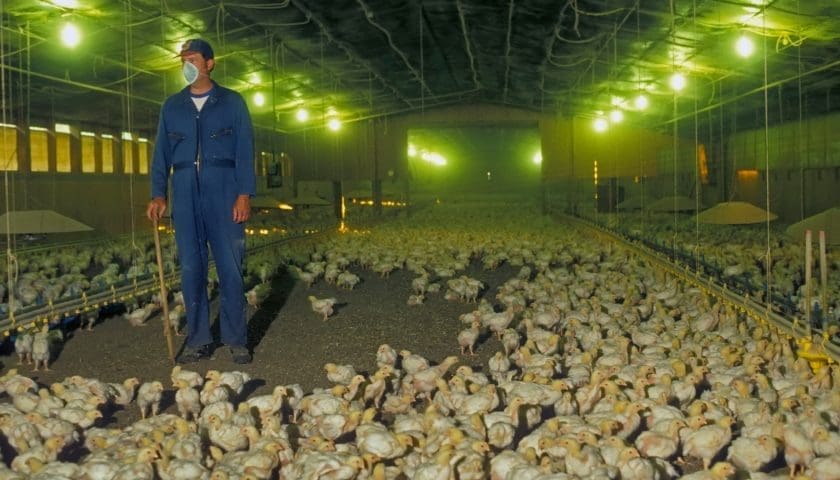
USA – Tyson Foods has decided against renewing contracts with poultry growers located in northwest Arkansas’s Illinois River watershed, a region caught in a long-running pollution lawsuit filed by Oklahoma’s attorney general against Tyson and competitors including Simmons Foods, Cargill, and George’s.
Oklahoma launched the legal action back in 2005, alleging that Arkansas poultry operations polluted the shared watershed with phosphorus from chicken litter.
Over the intervening years, farmers in northwest Arkansas have upgraded litter handling by cutting land applications and ramping up exports from the watershed, measures endorsed by officials in both states to safeguard the area.
Even with these compromises and company pledges, settlement talks collapsed, leaving Oklahoma Attorney General Gentner Drummond to override his own governor’s stance and seek a court ruling that imposes US$100 million in fines on the poultry firms.
Growers in the watershed argue they have met every demand from Arkansas and Oklahoma authorities alike.
“Farmers in the Illinois River watershed have done everything that both states, the state of Arkansas, and the state of Oklahoma, have asked of them,” said Cheyenne Holliday, a Tyson poultry farmer in Washington County.
Arkansas Attorney General Tim Griffin labelled Drummond’s push as an improper extension of Oklahoma’s control into his state.
“What he wants to do is impose Oklahoma’s will over in our state. That’s bizarre, and that ultimately will harm farmers,” Griffin told KATV.
Grower fallout from legal uncertainty
Tyson cited the unresolved lawsuit as the reason for notifying more than 50 farms in Benton and Washington Counties, Arkansas’s top poultry zones, that their contracts will lapse.
“Family farms like ours have received verbal confirmation that we will not have our contract renewed. There are several families that will owe millions of dollars to the bank still,” Holliday told KATV.
She added that the bigger worry lies in whether rivals like Simmons would assume operations burdened by such liabilities.
State Senator Bryan King, a poultry grower himself, warned that losing these large-scale farms could ripple through local economies and hit consumers at the checkout.
“Ultimately this is going to impact our economy. It’s going to impact the individual growers. It’s going to impact the consumers. When you go to Chick-fil-A or you go to McDonald’s or you go to the grocery store, it is produced mostly by individual farmers,” King said.
Sign up HERE to receive our email newsletters with the latest news and insights from Africa and around the world, and follow us on our WhatsApp channel for updates.