

Uganda avocado stakeholders push for unified strategy, quality standards to boost global exports
This call for strategic direction reflects the sector’s transition from small-scale farming to a competitive global presence.
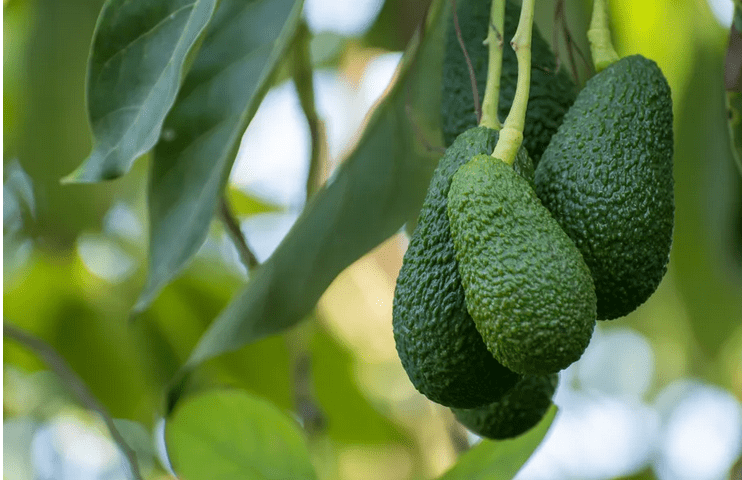
UGANDA – Stakeholders across Uganda’s avocado value chain have met with government officials in Kampala to address challenges in production, value addition, and market access, and to call for a unified national strategy to transform the sector into a major economic pillar.
The meeting brought together farmers, exporters, processors, government agencies, and industry representatives to strengthen the avocado sector and improve coordination across the value chain.
Representing the State House Investors Protection Unit, Stephen Kaheru emphasized the importance of cooperation between government institutions and private sector participants in addressing challenges facing farmers and exporters.
Victoria Sekitoleko, Board Chairperson of the Uganda Agribusiness Alliance (UAA), said the avocado industry had developed from small stakeholder discussions into a growing commercial sector. “Avocado is a new crop, so we are going to need new policies and a strategy for avocado,” Sekitoleko said.
This call for strategic direction reflects the sector’s transition from small-scale farming to a competitive global presence.
Furthermore, Francis Kasirinya of UAA emphasized that competitiveness would be essential for Uganda to benefit from rising global avocado demand. “Nobody buys from you out of sympathy. You must meet the requirements of quality, price, and trust,” he said.
Avotein Farms Limited CEO Hank Dahlan noted that Uganda’s avocado sector remains at an early stage compared with major exporting countries and stressed the importance of understanding export market requirements for Hass avocados.
“This is a cash crop for export. It is not something where we should just assume we are doing a huge thing. We need to understand the market,” Dahlan said.
Discussions also focused on proposed regulations affecting avocado marketing. National Avocado Federation of Uganda founder Richard Welisha raised concerns about proposals that could restrict certain buyers, including Kenyan buyers, from sourcing fruit in Uganda.
He said regulations should protect farmers’ interests and maintain market competition rather than limiting open market access.
Participants agreed on the need for continued collaboration among farmers, exporters, investors, and government institutions to support the development of Uganda’s avocado value chain.
In the end, a unified national strategy with standardized quality controls, improved value addition, and strategic government policies will be essential for Uganda to capitalize on rising global demand and build a competitive export industry.
Sign up HERE to receive our email newsletters with the latest news and insights from Africa and around the world, and follow us on our WhatsApp channel for updates.