

UK gives baby food industry 18 months to cut salt, sugar, improve labelling
UK pushes baby food makers to drop artificial sweeteners as childhood obesity costs soar to US$15.3 billion annually.
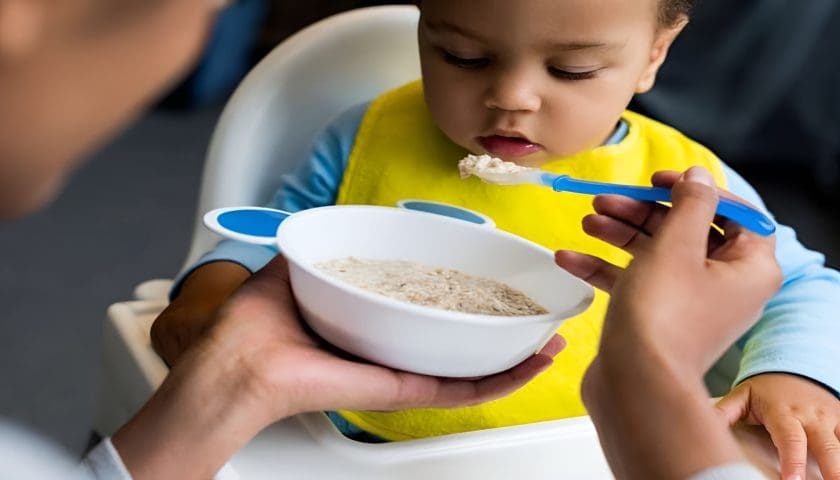
UK – The UK government has issued voluntary guidelines giving baby food manufacturers 18 months to reduce sugar and salt levels in products for children up to 36 months old.
The move aims to tackle childhood obesity, improve early nutrition and make labelling more straightforward for parents.
Businesses are expected to reformulate recipes without using artificial sweeteners, which are banned in commercial baby foods.
Labels must also stop using misleading claims such as “contains no nasties” when products remain high in sugar. Guidance will ensure that foods marketed for babies align with government infant feeding advice, for example, discouraging snacks for children under 12 months.
The changes are part of the government’s 10 Year Health Plan, which focuses on preventive measures in children’s healthcare, including better early developmental checks and programs to reduce obesity.
Childhood obesity costs the NHS an estimated £11.4 billion (approx US$15.3 billion) annually, and rates have doubled since the 1990s.
More than two-thirds of toddlers consume too much sugar, according to the National Diet and Nutrition Survey, and over 20% of children aged 4 to 5 are overweight or obese.
Public Health Minister Ashley Dalton said the reforms are designed to “give parents the information they need and provide children with good nutritious food,” adding that poor diets in infancy harm development and pile pressure on the NHS.
Experts welcomed the measures but warned that voluntary guidelines may not be enough.
Dr Vicky Sibson of First Steps Nutrition Trust called the plan “a first step towards clamping down on poor practices,” urging the government to take more decisive action if companies fail to comply.
Dr Hannah Brisden of the Food Foundation argued that mandatory standards are ultimately needed, citing research showing baby snacks often carry dozens of unregulated marketing claims.
Industry representatives expressed support. Declan O’Brien of the British Specialist Nutrition Association said members have already cut sugar and increased vegetable content in recent years, while Charlotte Stirling-Reed, a child nutritionist, praised the framework for “giving brands clarity and parents trust.”
The guidelines build on broader government initiatives, including a £57 million (approx US$76 million) boost for Start for Life services, expanded free nursery and breakfast programs, restrictions on junk food advertising before 9 p.m., and local powers to limit fast-food outlets near schools.
If companies do not comply within 18 months, ministers signalled that stronger regulations could follow.
By setting new expectations for product reformulation and transparent labelling, the government aims to help families make informed choices and support healthier diets in the earliest years, laying the foundation for what officials hope will become “the healthiest generation of children ever.”
Sign up HERE to receive our email newsletters with the latest news and insights from Africa and around the world, and follow us on our WhatsApp channel for updates.