

US wine market faces new disruption as Trump threatens 35% tariff on EU alcohol imports
Concerns rise among EU alcohol exporters and US importers as fresh trade tensions threaten cross-border beverage business stability.
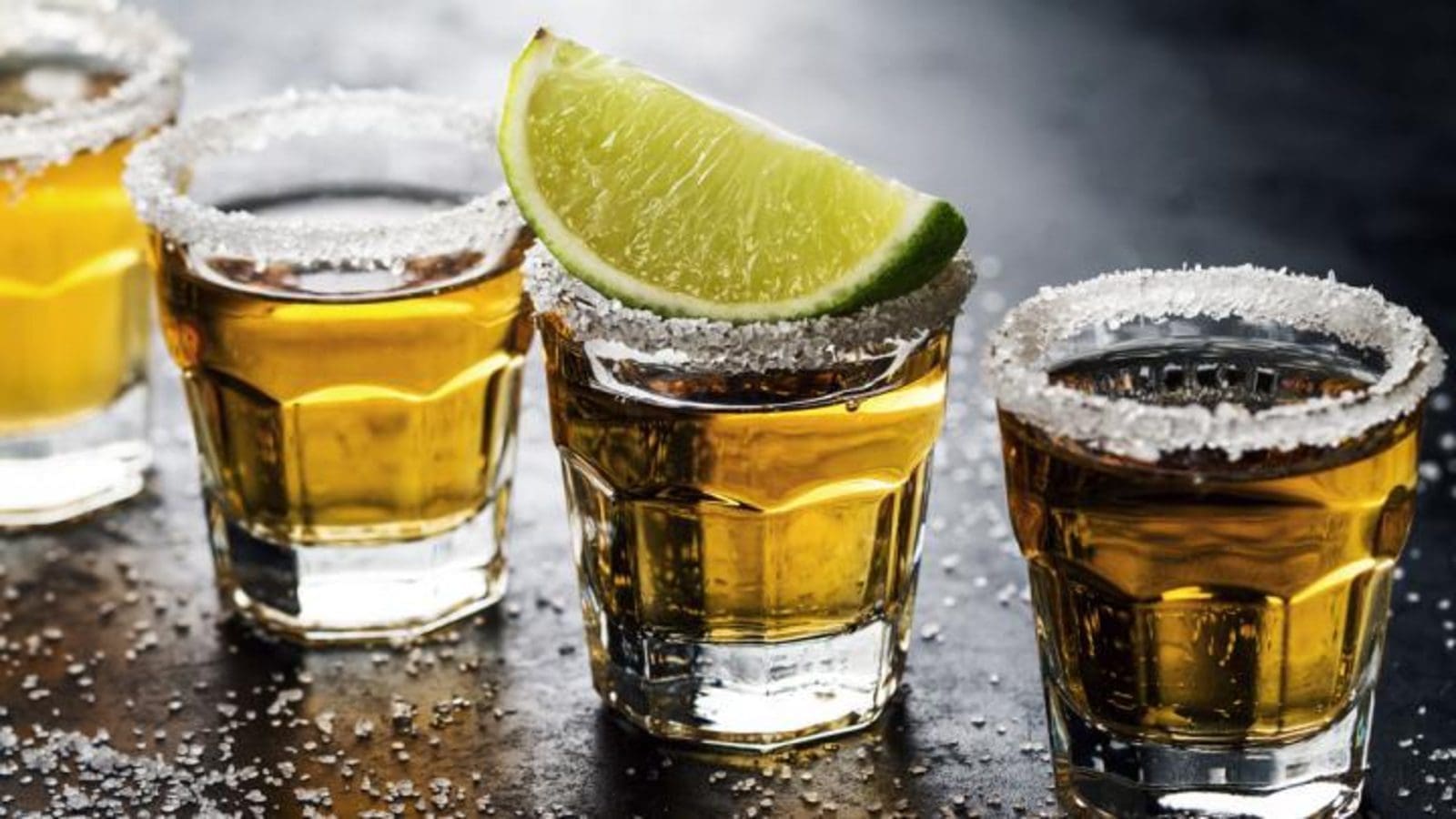
USA – The U.S. alcoholic beverage market is bracing for potential disruption following President Donald Trump’s announcement of a possible 35% tariff on imports from the European Union, including wine, beer, and spirits.
The threat, made during a recent CNBC interview, hinges on whether the EU follows through on a US$600 billion investment pledge tied to a new trade deal, reported Vinetur.
The agreement, reached between the United States and the European Union at the end of July, was designed to ease escalating trade tensions. It reduced tariffs on most EU products from 30% to 15%, with the new rate scheduled to take effect on August 8—one week later than originally planned.
As part of the agreement, the EU committed to making strategic purchases of American natural gas, oil, nuclear energy, and artificial intelligence chips valued at US$750 billion. Additionally, the EU agreed to invest US$600 billion directly in the U.S. economy and increase procurement of American military equipment.
Despite the inclusion of a “zero tariff” policy for several categories of goods, wine, beer, and spirits were notably excluded. This omission has triggered concern among stakeholders across the alcohol industry.
The U.S. Wine Trade Alliance (USWTA) has confirmed that both European producers and American importers have been lobbying for the inclusion of alcoholic beverages in the zero-tariff list.
Trump’s latest remarks mark a significant deviation from what was previously considered a settled arrangement. Industry groups argue that the potential imposition of a 35% tariff on alcoholic beverages undermines business confidence and planning.
For European exporters, the U.S. represents a major market for alcoholic products. Any escalation in tariffs could lead to reduced competitiveness and financial strain. Industry leaders on both sides of the Atlantic are calling for predictability in trade policies to protect supply chains and business operations.
Diageo, one of the world’s leading alcoholic beverage manufacturers and the company behind brands such as Guinness and Johnnie Walker, has already adjusted its financial outlook in light of ongoing trade uncertainty.
The company recently revised its expected tariff-related profit impact to US$200 million, up from a previous estimate of US$150 million, while simultaneously increasing its cost-saving targets.
The 15% tariff formalized through an executive order remains subject to change, depending on the fulfillment of obligations by both parties, raising further uncertainty for the alcohol industry.
Sign up HERE to receive our email newsletters with the latest news and insights from Africa and around the world, and follow us on our WhatsApp channel for updates.

