Vietnam shrimp farmers grapple with rising production costs as farmgate prices tumble
A seasonal oversupply has pushed farmgate shrimp prices lower, squeezing farmers’ profit margins.
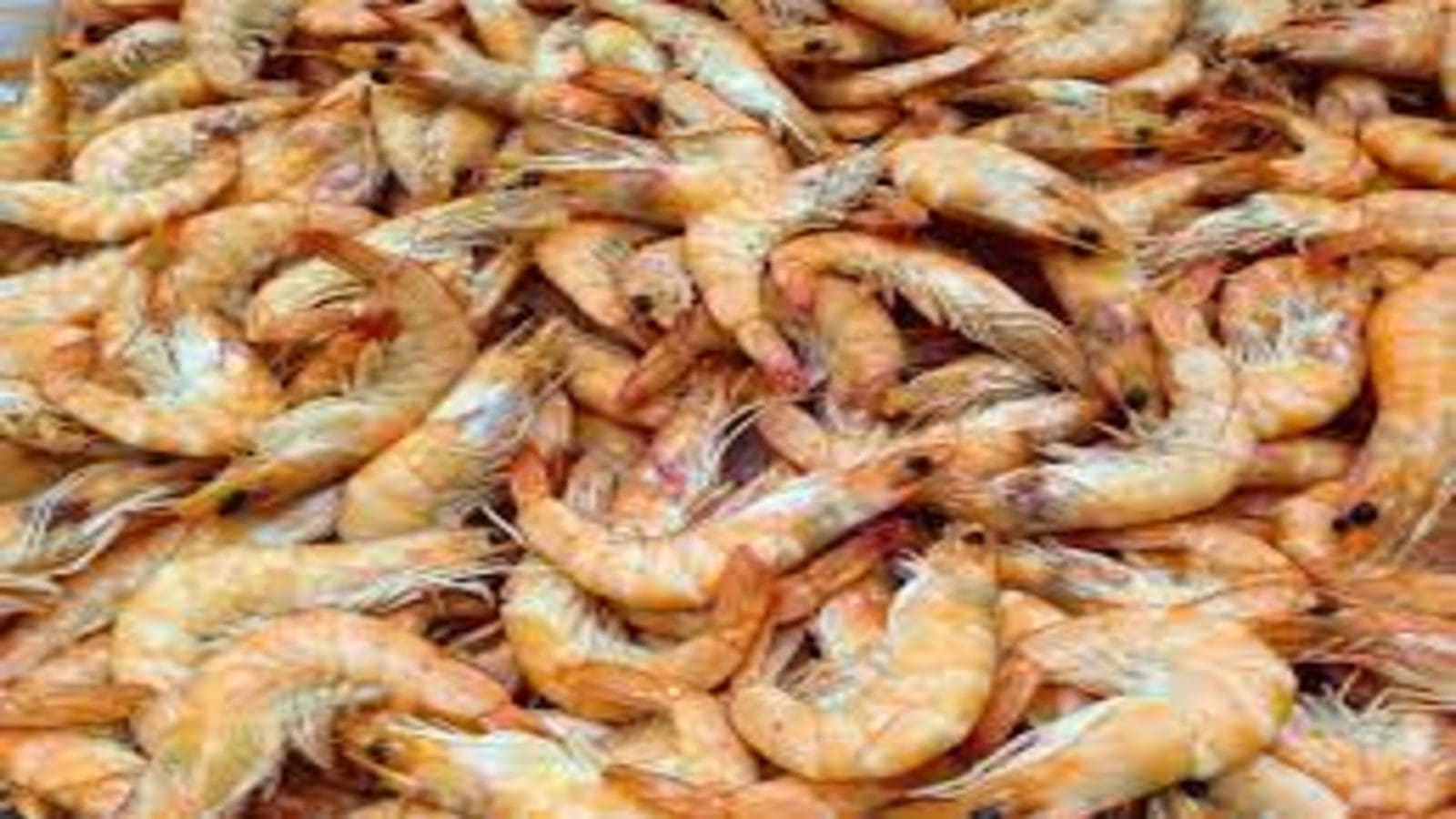
VIETNAM – Vietnam’s shrimp producers are facing growing financial strain as higher production expenses coincide with a prolonged decline in farmgate prices, prompting the government to recommend long-term supply agreements and production adjustments to help farmers manage the challenging market.
According to Tran Cong Khoi, Head of the Aquatic Animal Breeding and Feed Department under the Fisheries and Fisheries Inspection Department at the Ministry of Agriculture and Environment, rising fuel prices have increased transportation costs and the cost of importing key raw materials for aquafeed production, leading to higher costs throughout the supply chain.
Feed costs continue to climb
Khoi said ingredients such as corn, soybeans, fishmeal, and wheat have become more expensive, with aquatic feed prices expected to rise by 7% to 10%, while overall shrimp farming costs could increase by another 5% to 10% as a result.
He added that prices for chemicals, biological products, microorganisms, and shrimp broodstock have also increased by 10% to 15% due to higher manufacturing and transport costs, placing additional financial pressure on producers.
“Rising operating costs pose challenges for both businesses and farmers in balancing capital, managing cash flow, and maintaining production efficiency,” Khoi said.
Meanwhile, shrimp farmers in the Mekong Delta are also facing lower selling prices during the region’s busiest harvesting period, reducing returns despite higher production costs.
Ngo Minh Tuan, Director of Tuan Hien Aquaculture Co., Ltd. in Tan Phu Dong commune, Dong Thap province, said shrimp weighing 30 pieces per kilogram are currently selling for between US$4.63 and US$4.71 per kilogram, while larger shrimp weighing 25 pieces per kilogram are fetching about US$5.02 per kilogram.
He added that shrimp weighing 40 pieces per kilogram have dropped below the US$3.93 per kilogram mark and are currently trading at just above US$3.53 per kilogram after prices have continued to fall over the past three months.
Authorities recommend long-term planning
Tuan attributed the price decline to reduced buying activity from export processing companies at a time when harvest volumes have peaked, resulting in excess market supply that has driven prices lower across the region.
He said his company has had to sell shrimp immediately after they reach market size because keeping them in ponds longer increases feed costs and exposes the stock to greater disease risks.
In response, the Ministry of Agriculture and Environment is advising farmers and provincial authorities to prepare for continued input cost fluctuations by improving logistics, reducing energy consumption and adjusting stocking densities and production schedules to match market demand.
The ministry is also requiring feed manufacturers and agricultural input suppliers to comply with price-declaration regulations under Vietnam’s Law on Prices, while increasing inspections to prevent stockpiling and speculative price increases.
Khoi said establishing long-term contracts for feed, seed, and other production inputs would provide shrimp farmers with greater cost stability and reduce their exposure to short-term market fluctuations, while authorities are also encouraging wider use of locally available agricultural and food-processing by-products to reduce dependence on imported feed ingredients.
Sign up HERE to receive our email newsletters with the latest news and insights from Africa and around the world, and follow us on our WhatsApp channel for updates.