MIT scientists develop versatile nutrient fortification particles for food and beverage applications
This design not only stabilizes iron but also prevents its interaction with polyphenols found in whole grains, tea, coffee, and nuts, improving bioavailability.
U.S.A. – Researchers at the Massachusetts Institute of Technology (MIT) have created a novel nutrient delivery system designed to integrate seamlessly into a wide range of foods and drinks.
The approach uses small crystalline particles, known as metal-organic frameworks (MOFs), to encapsulate and protect essential micronutrients, including iron and iodine, until they reach the stomach.
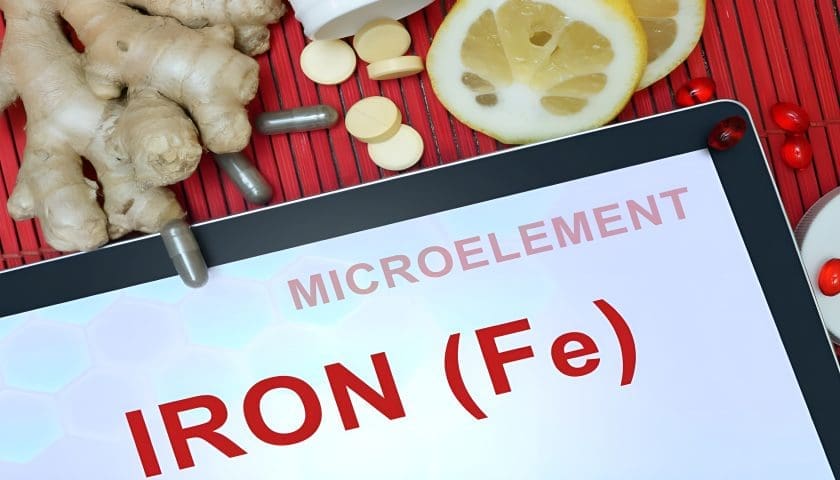
Around two billion people worldwide suffer from iron deficiency, which can lead to anemia, impaired cognitive development in children, and elevated infant mortality.
Traditional fortification techniques often compromise product quality by causing metallic off-flavors, texture changes, or nutrient degradation during processing and storage.
“We’re creating a fortification solution that works across different diets and staple foods without requiring reformulation,” said Ana Jaklenec, senior author and principal investigator at MIT’s Koch Institute for Integrative Cancer Research. “Because MOFs are inert within the food matrix, they don’t interact with flavor compounds or degrade during heat processing.”
The MIT team’s lead author, Xin Yang, developed a food-grade MOF using iron bound to fumaric acid, a widely used flavor enhancer and preservative.
This design not only stabilizes iron but also prevents its interaction with polyphenols found in whole grains, tea, coffee, and nuts, improving bioavailability.
Unlike polymer encapsulation systems, which add bulk and limit nutrient payload, MOFs offer high porosity and loading capacity, allowing more iron, or other minerals such as zinc, calcium, or magnesium, to be delivered per serving.
The researchers also achieved a double-fortification breakthrough, incorporating iodine into the same MOF particle, called NuMOF.
This solves a long-standing challenge of combining iron and iodine without reducing absorption. Tests confirmed the particles remained stable under high heat, humidity, and boiling conditions, while releasing nutrients efficiently in the digestive tract.
“This platform could transform ingredient fortification in staples and beverages, particularly for global markets,” said Robert Langer, senior author and David H. Koch Institute Professor at MIT.
The team is now developing fortified coffee and beverage prototypes, as well as a double-fortified salt that can be used as a standalone ingredient or blended into processed foods.
With its ability to protect sensitive nutrients and simplify formulation, NuMOF could provide food manufacturers with a scalable tool to combat micronutrient deficiencies worldwide.
Sign up HERE to receive our email newsletters with the latest news and insights from Africa and around the world, and follow us on our WhatsApp channel for updates.