
FDA proposes ban on obsolete food dye Orange B
According to the agency, no manufacturer has sought certification for Orange B since 1978, effectively rendering it obsolete.
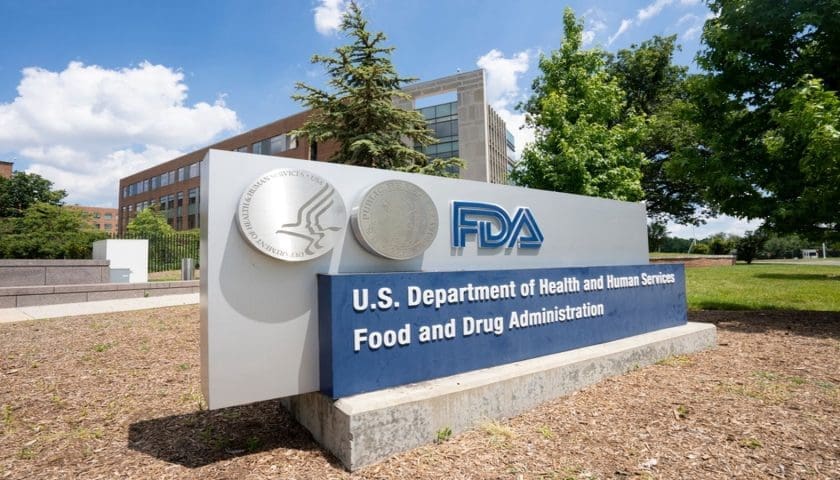
USA – Federal regulators are moving to eliminate another artificial dye from the U.S. food supply, this time targeting Orange B, a synthetic color additive that has not been used in decades.
The U.S. Food and Drug Administration (FDA) recently announced its intention to revoke the regulation that allows the use of the dye, initially approved in 1966 for use in frankfurter and sausage casings.
According to the agency, no manufacturer has sought certification for Orange B since 1978, effectively rendering it obsolete.
“The color additive regulation is outdated and unnecessary,” the FDA stated. If finalized, the proposal would take effect after a brief public comment period, roughly 45 days later.
The move follows the FDA’s January decision to ban Red Dye No. 3, widely used in candies, baked goods, and pharmaceuticals, after animal studies linked it to cancer.
While Orange B has long been dormant, the proposal underscores a broader regulatory trend in Washington. U.S. Health Secretary Robert F. Kennedy Jr. and FDA Commissioner Marty Makary have pledged to phase out petroleum-based dyes amid concerns about their impact on children’s health.
Scientific studies have produced mixed results on food dyes. Some research suggests certain artificial colors may trigger behavioral issues such as hyperactivity in sensitive children, while other data indicate no adverse effects for the majority of consumers.
The FDA maintains that currently approved dyes are safe under intended use, but has listed six widely used additives, including Red 40, Yellow 5 and 6, and Blue 1 and 2, as chemicals under review.
Another seldom-used additive, Citrus Red No. 2, applied to some citrus peels, could also face revocation.
Industry reaction
Consumer advocates argue that targeting obsolete additives, such as Orange B, amounts to symbolic action.
“It says they are currently willing to take mandatory steps only where it has no impact,” said Sarah Sorscher, director of regulatory affairs at the Center for Science in the Public Interest.
The group has long urged stricter FDA oversight of artificial colors, pointing to concerns about cancer and neurological effects.
Industry observers note that banning Orange B is unlikely to provoke resistance, given its absence from the market for nearly half a century.
By contrast, efforts to restrict dyes still in widespread use could trigger legal and political challenges. Many of the country’s largest food manufacturers are already phasing out synthetic colors under voluntary initiatives encouraged by federal officials.
Sign up HERE to receive our email newsletters with the latest news and insights from Africa and around the world, and follow us on our WhatsApp channel for updates.