

Rotterdam Food Hub expands with 38-hectare logistics development
The terminal is being designed in line with the ‘security by design’ principle.
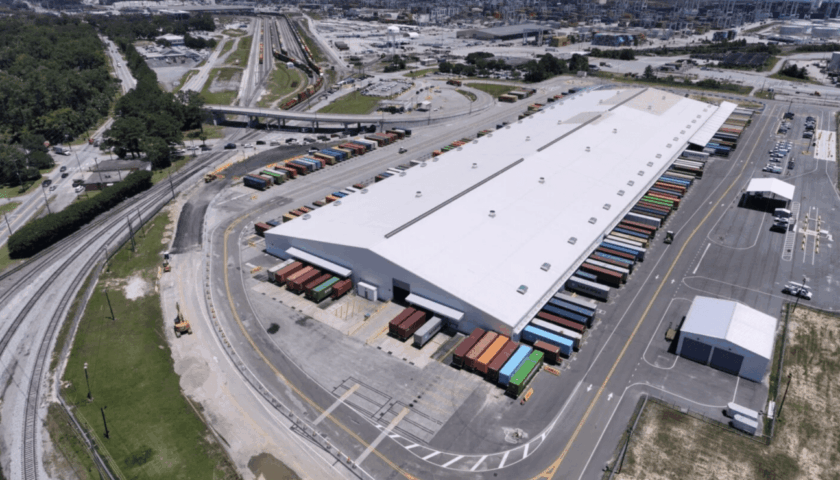
NETHERLANDS – The Port of Rotterdam Authority, Necron Group, and PTP Group have signed a development agreement to build approximately 38 hectares of logistics infrastructure at the Rotterdam Food Hub, dedicated to chilled and frozen agri-food products.
The project includes a quay wall more than 500 metres long and a breakwater to protect the berths from waves caused by the sea and passing vessels.
Cold Storage and Freezer Warehouses
Necron Group is developing two cold storage and freezer warehouses, Necron Food Park I & II, in phases on two plots, with a combined area of approximately 145,000 square metres. The facilities are intended for cold storage operators and are designed to meet growing demand for scalable cold chain capacity in Europe.
Terminal Infrastructure and Energy Hub
PTP Group is developing a terminal of approximately 73,000 square metres on a fourth plot along the Caland Canal, featuring three berths for deep-sea and inland vessels, a waiting area, and additional logistics facilities for handling cargo flows by water.
Necron Group is constructing an energy hub on a third plot, intended to provide energy to the terminal and the cold storage and freezer warehouses from the moment they become operational.
Guillermo Misiano, CEO of PTP Group, said: “With this terminal, we are strengthening our position as a port and logistics service provider in Europe. We are creating a direct link between quay, storage and transport. This enables greater use of maritime and inland waterway transport and shortens lead times in the handling of agri-food flows.”
Strategic Importance and Security by Design
Boudewijn Siemons, CEO of the Port of Rotterdam Authority, said: “At this strategic location, we are bringing logistics, storage and infrastructure together so that our customers can handle their cargo more quickly, sustainably and efficiently. With this development, we are taking an important step in further strengthening our position as Europe’s leading agri-food port.”
More importantly, the terminal is being designed in line with the ‘security by design’ principle. In collaboration with customs authorities, processes and facilities are being tailored to ensure the controlled, secure, and efficient handling of cargo flows from Latin America.
The integration of quay, storage, and transport, with a dedicated energy supply and security-by-design customs processes, creates a high-efficiency gateway for food products arriving from international markets, further solidifying the port’s status as a premier European logistics centre for the agri-food sector.
Sign up HERE to receive our email newsletters with the latest news and insights from Africa and around the world, and follow us on our WhatsApp channel for updates.

