Tanzania expands plant health labs with EU-FAO support for export compliance
The project also includes training programs for plant health professionals, laboratory technicians, and inspectors.
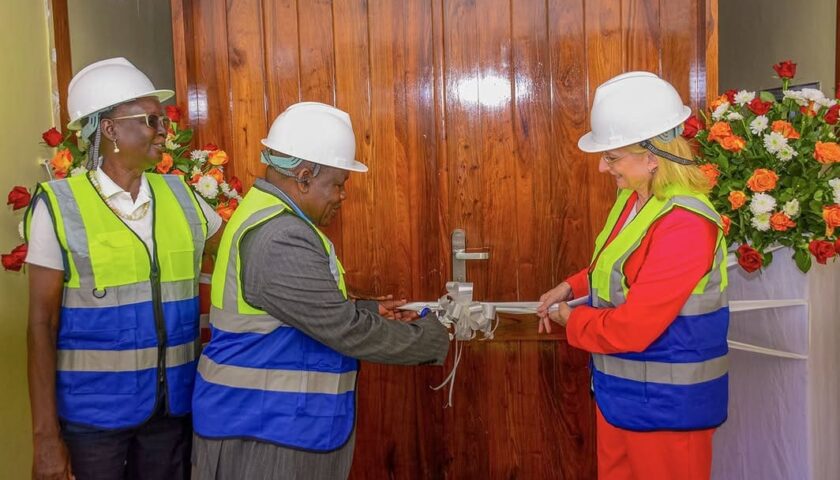
TANZANIA – The STREPHIT project, a collaborative initiative between Tanzania, the European Union, and the FAO, is expanding plant health laboratories and installing digital surveillance tools to enhance pest detection and ensure compliance with international phytosanitary standards.
Agriculture employs nearly 60% of Tanzania’s population and contributes about one-third of the country’s GDP.
On the other hand, agricultural exports to the European Union are valued at approximately €546 million (approx. US$627 million) annually, accounting for more than half of Tanzania’s exports to the bloc.
The project focuses on strengthening phytosanitary systems, improving pest surveillance and diagnostics, and supporting compliance with international trade requirements.
A key component is the rehabilitation and upgrading of eight plant health laboratories to detect, identify, and analyze plant pests and diseases affecting production and trade. The project also supports the installation of 20 mini-laboratories at border points to strengthen inspection and testing services for plant products entering and leaving the country.
According to project partners, the upgraded infrastructure is intended to improve diagnostic capacity, support export certification processes, and help meet international phytosanitary requirements.
Furthermore, the initiative includes the introduction of digital surveillance tools for real-time monitoring and reporting of plant health threats. The systems are designed to improve data collection, analysis, and information sharing, enabling earlier detection of pest outbreaks and more coordinated responses.
EU Ambassador to Tanzania and the East African Community, Christine Grau, said: “By strengthening plant health systems, we are helping farmers and exporters meet international standards, improve compliance and access higher-value markets.”
TPHPA Director General Professor Joseph Ndunguru said: “As Tanzania continues to expand its agricultural exports, the need for reliable and internationally aligned laboratory infrastructure has become increasingly important. These investments represent a major step in strengthening our diagnostic and regulatory capacity.”
The project also includes training programs for plant health professionals, laboratory technicians, and inspectors.
According to FAO Representative to Tanzania Nyabenyi Tipo, the aim is to strengthen systems capable of responding to future challenges. “This is about positioning Tanzania’s agriculture for the future, ensuring that farmers, traders and exporters can compete effectively while safeguarding food systems,” she said.
Ultimately, the project seeks to bolster economic growth and food security by integrating Tanzania more effectively into the global trade landscape.
Sign up HERE to receive our email newsletters with the latest news and insights from Africa and around the world, and follow us on our WhatsApp channel for updates.