Burkina Faso launches National Tomato Research Program to cut 30-40% post-harvest losses
The initiative comes as the country has been working for several years to structure the sector through the development of local processing capacity.
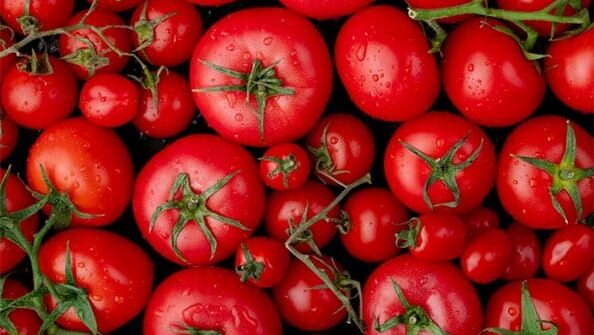
BURKINA FASO – The Burkinabe government has officially sanctioned a new National Tomato Research Program spanning 2026 to 2031, aiming to boost crop yields, curtail significant post-harvest losses, and strengthen the country’s expanding tomato processing industry.
The roadmap aims to strengthen the competitiveness of the tomato sector by addressing constraints that limit productivity. While Burkina Faso’s annual tomato production reaches 231,764 tonnes, authorities estimate that the sector still loses between 30% and 40% due to climate change, pests, and diseases.
“The ambition is to produce more, reduce losses, improve quality and processing, increase the income of stakeholders and strengthen the contribution of the tomato sector to the country’s food and nutritional security,” reads a statement from the Ministry of Higher Education, Research and Innovation.
Furthermore, the initiative comes as the country has been working for several years to structure the sector through development of local processing capacity. Following the commissioning of the Société Faso Tomates (SOFATO) plant in Pognongo in December 2024, and the Société Burkinabè de Tomates (SOBTO) in Dogona a month earlier, the country plans to open a new plant in Tenkodogo.
In March 2026, the government suspended the issuance of Special Export Authorizations for fresh tomatoes to secure supply for processing plants facing difficulties accessing the resource.
However, the measure was lifted on March 31 following improvements and commitments from industry stakeholders to guarantee availability of necessary volumes for manufacturers.
On the other hand, tomato producers in Burkina Faso face significant challenges from climate change, including erratic rainfall patterns, droughts, and rising temperatures that affect crop development. Pest infestations, including diseases such as tomato leaf miner and bacterial wilt, further reduce yields and quality.
The combination of environmental shifts and biological threats has contributed to persistent post-harvest losses that undermine the sector’s productivity and profitability. Climate change has altered traditional growing seasons, making production more unpredictable and increasing vulnerability to pest outbreaks.
Therefore, by improving yields, harvest quality, and crop resilience, authorities hope to sustainably increase production available to processors while simultaneously improving producers’ incomes. The success of this roadmap will depend on the institutions’ ability to translate identified priorities into innovations accessible to producers.
In the end, this effort seeks to transform the tomato value chain into a competitive pillar of the national economy by integrating scientific innovation with industrial demand.
Sign up HERE to receive our email newsletters with the latest news and insights from Africa and around the world, and follow us on our WhatsApp channel for updates.