
Australian pineapple growers oppose imports from India, Indonesia over biosecurity, economic fears
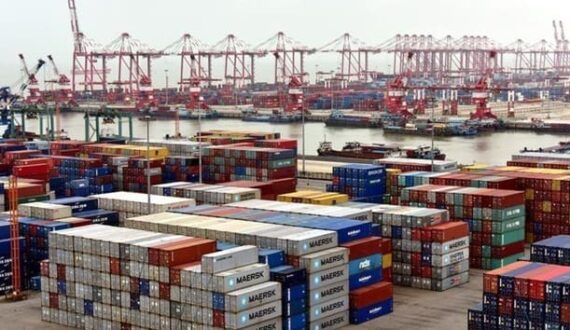
Indian and Indonesian imports could significantly disrupt this market, as lower-priced imports could displace local fruit and reduce domestic prices.
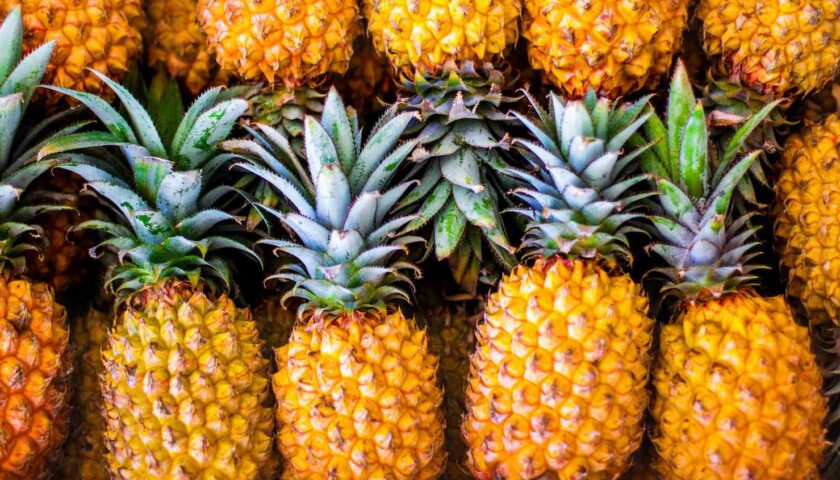
AUSTRALIA – Australian pineapple growers are challenging a government proposal to permit pineapple imports from India and Indonesia, citing severe biosecurity concerns and economic risks that could devastate the domestic industry.
Local producers argue that existing phytosanitary measures such as fumigation and irradiation are inadequate to prevent the introduction of exotic pests that could devastate domestic crops.
In July, the Australian Department of Agriculture, Forestry, and Fisheries released a draft report recommending that foreign fruit be allowed into the country subject to either methyl bromide fumigation or irradiation, which the department considered “effective against all life stages of hard scales, mealybugs and thrips.”
Additionally, the government agency also recommended a systems approach approved by the department, which it considered effective in combating identified pest risks. However, growers say these measures are insufficient.
“Biosecurity isn’t something you get a second chance at,” Queensland Fruit and Vegetable Growers chief executive Scott Kompo-Harms told local news outlets. “Once an exotic pest is here, growers are left to deal with the consequences.”
Pineapple Growers Association Australia chair Scott Maxwell said: “We realize fair trade has to happen, but the issue we have is that they have identified numerous pests they have over there, and we no longer have the chemicals available to us in Australia to deal with those pests.”
Furthermore, Australia’s pineapple production is concentrated in Queensland, which harvests around 47,000 metric tons of fruit annually for a value of AUD $80 million (US$56.3 million), with virtually all fruit sold domestically.
The country has allowed market access to countries such as the Philippines, the Solomon Islands, Sri Lanka, Taiwan, and Thailand, but their market share remains low, with only 18 metric tons imported in 2025 in total.
However, Indian and Indonesian imports could significantly disrupt this market, as lower-priced imports could displace local fruit and reduce domestic prices.
For instance, during a field visit to pineapple farmers in Hervey Bay, Queensland Senator Matt Canavan emphasized that Australian pineapple exports are minimal, with the country shipping only about eight tonnes of fresh or dried fruit in 2024.
The government is currently accepting public comments on the provisional document until September 14, with the final report expected to be published in the second half of 2027.
Lastly, the government is reviewing public feedback on these trade recommendations, with a final determination expected by 2027.
Sign up HERE to receive our email newsletters with the latest news and insights from Africa and around the world, and follow us on our WhatsApp channel for updates.