
Saudi Arabia achieves potato self-sufficiency, expands frozen exports, processing sector
Around 60% of domestic production is used as table potatoes for households and restaurants.
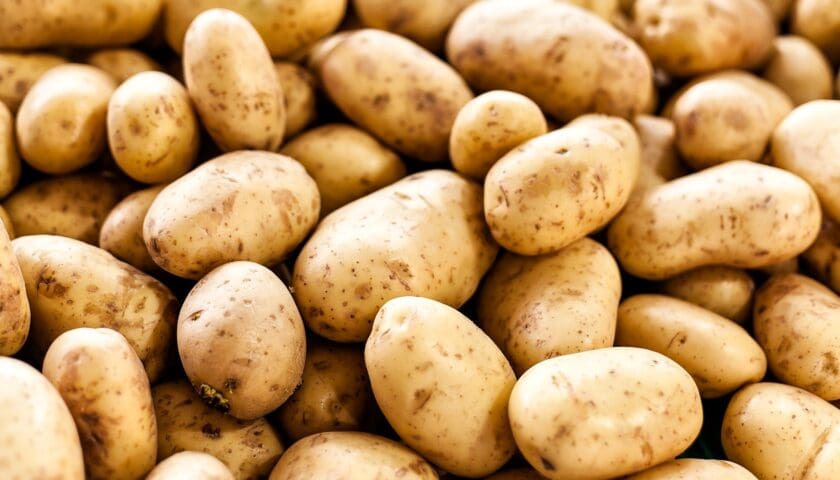
SAUDI ARABIA – Saudi Arabia has achieved self-sufficiency in fresh potato production, supporting a growing processing sector and increasing frozen potato exports to neighbouring markets, while demand from the expanding hotel, restaurant, and café sector creates opportunities for processed potato imports.
Potato cultivation began in Saudi Arabia in the mid-1970s with government support. In 1975, the Ministry of Environment, Water, and Agriculture launched the Saudi Potato Development Program through a bilateral partnership with the Netherlands. In 2025, MEWA and GASTAT reported local production of 623,770 tons from 17,064 hectares.
Varieties grown for fresh consumption and processing include Spunta, Cara, Diamond, Mondial, Tyson, and Lady Olympia. Saudi Arabia has two production seasons. The first begins in September, with harvesting from January to February, while the second starts in December-January, with harvesting from May through June.
However, production is concentrated in the central and northern regions, including Riyadh, Hail, Al-Jouf, Qassim, and Tabuk. Potatoes are generally cultivated in sandy soils, while groundwater availability has driven the adoption of irrigation technologies.
Key factors driving Saudi Arabia toward fresh potato self-sufficiency include the Saudi Potato Development Programme launched in 1975, a bilateral partnership with the Netherlands, and the adoption of advanced irrigation technologies.
Second are the two annual growing seasons, and third is government support through strategic programs. Together, these efforts have enabled the kingdom to largely meet domestic needs.
Furthermore, the government balances potato production with water conservation goals by regulating exports from areas with vulnerable water reserves. Therefore, export eligibility is assessed based on hydrological conditions.
Exports from the Eastern Province, Al-Jouf, and the Northern Borders are prohibited to protect water reserves. MEWA also regulates fresh potato exports through permits and farm registration requirements.
Meanwhile, around 60% of domestic production is used as table potatoes for households and restaurants. During the cultivation season, MEWA typically restricts imports and exports of fresh potatoes to protect domestic production. Restrictions are lifted during the off-season, when special import and export permits apply.
Imports have declined as domestic production has increased. However, specialty potatoes, including red and baby potatoes, may have opportunities in the expanding fine-dining, five-star hotel, and resort sectors.
Overall, the sector demonstrates a successful blend of agricultural expansion and environmental preservation. The government’s commitment to water conservation and sustainable agriculture will continue to shape the industry’s development and trade policies.
Sign up HERE to receive our email newsletters with the latest news and insights from Africa and around the world, and follow us on our WhatsApp channel for updates.