
Singapore confectionery retailer introduces first in-house chocolate brand
Singapore confectionery retailer enters chocolate manufacturing with locally inspired Kaki’s range.
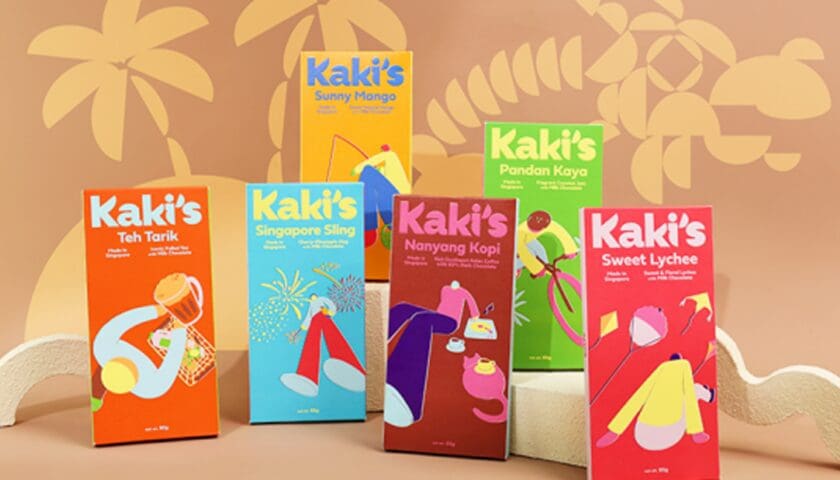
SINGAPORE – Singapore confectionery retailer and distributor The Cocoa Trees has entered the chocolate manufacturing space with the launch of Kaki’s, its first self-manufactured chocolate brand, drawing on local flavours, food traditions and everyday consumption rituals.
The move marks a significant step for the company, which was established in 2000 and has since developed a retail network spanning more than 20 stores across Singapore.
The Cocoa Trees currently offers around 60 international confectionery brands, including Ritter Sport and Lindt.
Unlike its imported portfolio, Kaki’s is made in Singapore and is being sold exclusively through The Cocoa Trees’ physical stores and online channels.
The new range takes inspiration from familiar Singaporean food and beverage experiences, from traditional kopitiam breakfasts to gatherings centred around local delicacies.
Among the products is Nanyang Kopi, also called Bittersweet Symphony, which seeks to recreate the flavour of freshly brewed traditional coffee in chocolate.
Pandan Kaya draws inspiration from kaya, the slow-cooked coconut and pandan spread associated with Singapore’s breakfast culture.
The range also includes Teh Tarik and Tropical Notes, combining the profile of Singapore’s pulled tea with tropical fruit flavours including mango and lychee, alongside a blend inspired by the Singapore Sling.
The product development reflects a broader trend in confectionery, where manufacturers are increasingly using regional flavours and familiar ingredients to create differentiated products with a strong sense of place.
The Cocoa Trees said Kaki’s has been designed for multiple occasions, from everyday snacking and gifting to corporate presents and souvenirs for international visitors.
Packaging is also being used as part of the brand proposition. Each bar features limited-edition artwork alongside local facts and short stories intended to provide consumers with additional cultural context.
Pamela Loo, Deputy CEO of The Cocoa Trees, said the brand was developed around everyday moments shared by Singaporeans.
“Kaki’s was never meant to just be a snack on a shelf,” she said. “It was built around the small, everyday moments Singaporeans already share with each other, over coffee, over breakfast, over the little rituals we return to again and again.”
The launch comes as the global confectionery industry continues to explore localised flavours, premiumisation and cultural storytelling as ways to differentiate products in increasingly competitive markets.
For ingredient suppliers, such developments are creating opportunities for flavour houses and chocolate manufacturers to work with regionally distinctive profiles, including coffee, tea, tropical fruits and botanical ingredients.
For The Cocoa Trees, Kaki’s represents more than an extension of its retail business. It provides the company with its first proprietary confectionery platform, allowing it to develop products around local consumer preferences while potentially building a brand with appeal beyond Singapore.
“This is the first time we have built a brand from the ground up,” Loo said, adding that the company wanted Kaki’s to create a sense of connection around Singapore’s shared food culture.
The launch therefore positions The Cocoa Trees not only as a retailer and distributor of international confectionery, but increasingly as a creator of locally inspired chocolate products.
Sign up HERE to receive our email newsletters with the latest news and insights from Africa and around the world, and follow us on our WhatsApp channel for updates.