Côte d’Ivoire leads Africa mango exports, targets processing to cut 40% post-harvest losses
From 2017 to 2021, dried mango production increased as processing capacity expanded.
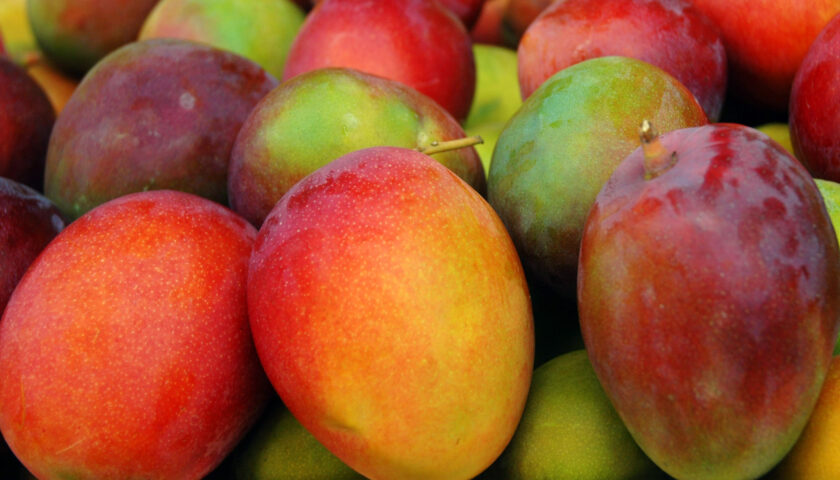
CÔTE D’IVOIRE – Côte d’Ivoire has established itself as Africa’s leading mango exporter and the third-largest supplier of fresh mangoes to Europe, behind Brazil and Peru. The sector provides seasonal income for rural households and supports employment in harvesting, transport, trade, and processing.
Mango production is concentrated in northern Côte d’Ivoire, while exports supply supermarkets throughout Europe.
Researchers at the Austrian Foundation for Development Research say that expanding export volumes and domestic processing could give more farmers access to international markets and raise rural incomes.
The establishment of Inter-Mango in 2018 brought producers, traders, and processors together to improve coordination, competitiveness, and quality standards across the mango value chain.
More importantly, the mango industry’s overall economic importance lies in its contribution to rural livelihoods through employment in harvesting, transport, trade, and processing.
Furthermore, it generates foreign exchange through exports to Europe, supports domestic processing businesses, creates value-added products such as dried mangoes, pulp, juice, nectar, jams, and mango butter, and reduces post-harvest waste through processing.
Additionally, processing can also utilize fruit that does not meet export appearance requirements or is damaged after harvest, reducing waste and adding value. For instance, from 2017 to 2021, dried mango production increased as processing capacity expanded.
The Ivorian government has set a target to process 50% of agricultural products domestically. Public investments are transforming the local mango-processing sector through the Competitive Value Chains for Employment and Economic Transformation Project, supported by the World Bank and focused on agricultural modernization and local processing.
The Support Project for Strengthening the Competitiveness of the Industrial Sector, backed by the African Development Bank and the government, also targets industrial development, investment, and competitiveness.
Challenges in the mango value chain include post-harvest losses estimated at 30% to 40% of mango production, limited processing capacity, and infrastructure gaps in packaging, transport, and warehousing.
On the other hand, opportunities include expanding domestic processing to reduce waste, increasing exports of value-added products, modernizing infrastructure through public investment, and creating additional businesses and employment across the value chain.
The country’s commitment to agricultural modernization and local processing positions it for continued growth in the global mango market.
In the end, expanding processing capacity and public investment in infrastructure will be critical to achieving the government’s target of processing 50% of agricultural products domestically and sustaining the sector’s development.
Sign up HERE to receive our email newsletters with the latest news and insights from Africa and around the world, and follow us on our WhatsApp channel for updates.