
Cargill Q1 profit falls 52%
Cargill’s quarterly earnings were pressured by elevated cattle and cocoa costs, while poultry investments in Thailand and the Philippines expand its global operations.

USA – Cargill’s fiscal first-quarter net income fell by more than half as higher cattle and cocoa costs weighed on earnings, despite record profitability in soybeans and canola following higher US biofuel blending targets.
The US-based agricultural commodities trader reported net income of $927 million for the quarter ended August 31, down from $1.94 billion a year earlier, according to accounts seen by Bloomberg.
The comparison was also affected by the prior-year quarter, which received a significant boost from a tax provision linked to US President Donald Trump’s One Big Beautiful Bill.
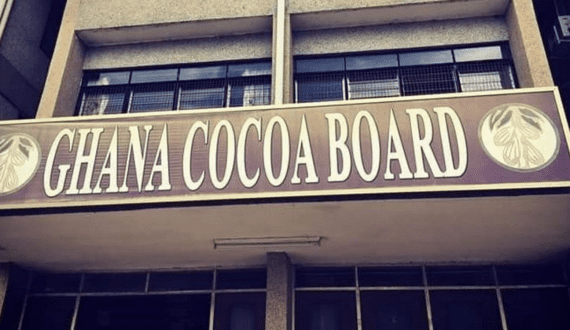
Cargill faced pressure from higher cattle prices and “mark-to-market losses on cocoa”. Cocoa futures rose more than 70% between early June and late August, while years of elevated prices have weakened demand and slowed its recovery.
The impact was partly offset by record profitability in soybeans and canola after the US increased biofuel blending targets.
The investments will expand Cargill’s poultry network while supporting growing demand for protein.
Earlier this month, it announced plans to invest more than $130 million across Thailand and the Philippines to expand poultry capacity, improve food safety and strengthen supply chain resilience.
In Thailand, Cargill will add an automated cooked chicken production line at its Saraburi plant, with completion scheduled for 2028. The company plans to integrate artificial intelligence and other advanced technologies into production and data systems to support decision-making and food quality standards.
Thailand remains a strategic poultry export hub for Cargill, supplying Japan, Europe, Asia and North America. The expansion is expected to lift cooked poultry production to 160,000 tonnes annually and generate THB25 billion in export value. More than 300 jobs are expected to be created.
Cargill is also building a 30,000-tonne grain silo in Thailand, with completion expected by early 2027. The facility will increase raw material storage capacity and provide greater flexibility in grain procurement, while creating additional income opportunities for local farmers beyond traditional harvest cycles.
In the Philippines, Cargill is constructing a feedmill with annual capacity of 190,000 tonnes, targeted for completion in late 2027. The facility is expected to create more than 100 jobs and improve feed availability, efficiency and reliability across the company’s operations.
The company is also expanding hatcheries, breeder farms and broiler farms in the Philippines. The investments are intended to strengthen domestic supply chains, reduce costs and support foodservice customers and consumers of its “Tip-Top” retail brand.
Sign up HERE to receive our email newsletters with the latest news and insights from Africa and around the world, and follow us on our WhatsApp channel for updates.