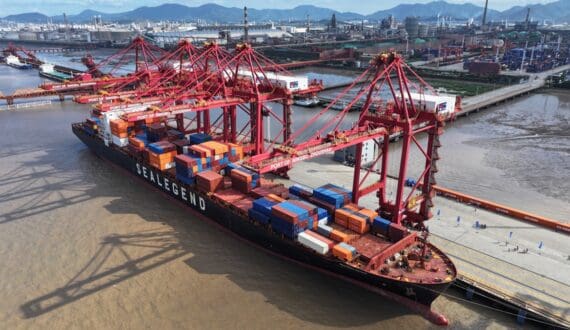

Durban Gateway Terminal waives storage fees, tackles equipment, booking delays
Monthly berth calls at DGT declined from 34 in May to 19 in August.
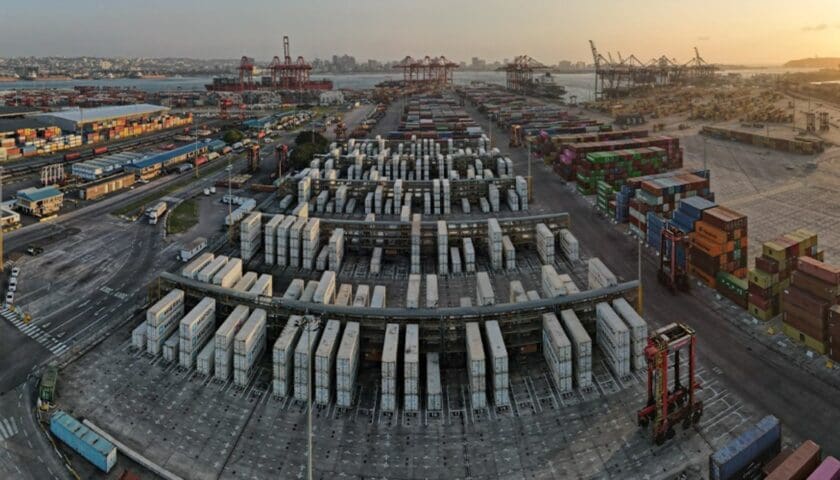
SOUTH AFRICA – The Durban Gateway Terminal (DGT) South Africa’s leading container terminal,has waived all terminal storage charges and introduced generator sets to address power disruptions as part of short-term measures to resolve operational inefficiencies, according to a joint report by Safla and RFA.
The measures were communicated during a recent engagement among DGT, the terminal operator International Container Terminal Services (ICTSI), and stakeholders processing cargo through the terminal.
DGT said it was implementing an accelerated program to keep machinery operating at required safety and performance levels.
The terminal also acknowledged problems with its slot-booking system and has developed a solution to improve the process, which it will share with stakeholders for comment and implementation.
Long-term refurbishment and equipment lead times
In the long term, the terminal requires significant refurbishment and upgrades to compete with other ports in Southern Africa.
Additionally, much of the equipment needed has been ordered, but the associations said delivery lead times are long.
Transporter costs and tariff proposals
The Road Freight Association (RFA) CEO Gavin Kelly said transporters are carrying the costs of inefficiencies. “Fleets are standing without bookings while fixed costs run, drivers are queuing on Bayhead Road, and every standing hour ends up in the price of goods. Slot releases must match real capacity, and truck staging must be fast-tracked now,” Kelly said.
The associations proposed that Transnet lower container movement tariffs from other ports for a period while DGT reaches the required level of efficiency, easing pressure on the terminal during upgrades.
South African Freight and Logistics Association (Safla) executive officer Dave Logan welcomed the waiver of storage charges, saying it will ease the burden on freight forwarders and their clients.
Operational context
The measures follow delays at DGT that increased average port calls, including waiting and berth time, from less than five days in late June to more than 12 days by late August, according to Safla and RFA monitoring.
Monthly berth calls at DGT declined from 34 in May to 19 in August. The deterioration coincided with DGT’s migration to its Navis N4 terminal operating system in mid-August, after which weekly throughput dropped 26%.
This partnership reflects a strategic push to restore terminal productivity through transparency and shared industry expertise, with stakeholders focused on operational recovery and cost relief for transporters.
Sign up HERE to receive our email newsletters with the latest news and insights from Africa and around the world, and follow us on our WhatsApp channel for updates.