Kenya avocado exports to hit US$170M in 2026, with Asian market access
The Chinese market, opened in 2022, has scaled in 2026, while trade agreements with India have reduced tariff barriers.
KENYA – Kenya’s avocado export revenues are projected to reach KES 25.4 billion (US$170 million) in 2026, supported by a 22% increase in production volumes and expanded market access in India, China, and the United Arab Emirates.
Export volumes are expected to increase from 112,000 tons in 2025 to 140,000 tons in the current fiscal year, according to the Agriculture and Food Authority.
To begin with, the Ministry of Agriculture has introduced programmes to encourage drip irrigation and rainwater harvesting to address rainfall variability and water-use concerns in areas such as Kandara and Thika. Investment in these technologies not only secures production but also attracts development finance focused on climate adaptation.
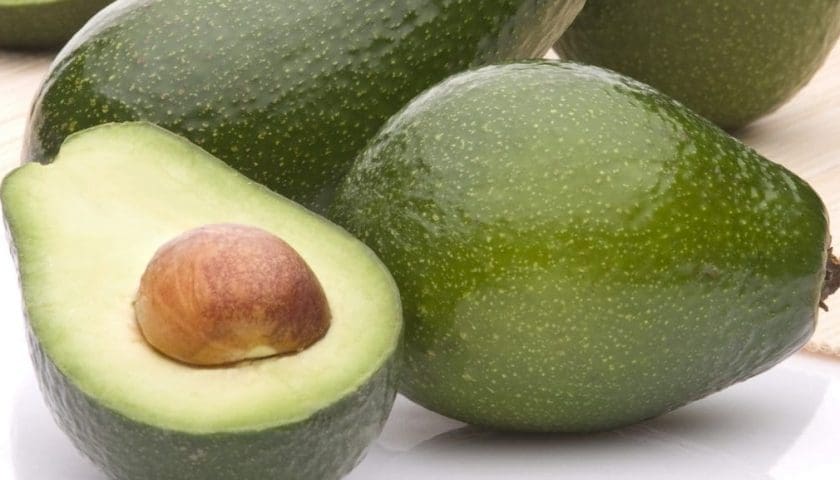
Secondly, the Hass variety remains the main export cultivar because of its shelf life and oil content. Regulatory measures under the Crops (Horticultural Crops) Regulations have supported quality control and reduced interceptions in the European Union linked to pests such as False Codling Moth.
In addition, the strategic advantages of moving to value-added processing are significant. For instance, some companies are refining avocado oil for pharmaceutical and cosmetic applications, with oil prices reaching up to four times the value of fresh fruit.
Moreover, the government is offering tax incentives to companies establishing processing facilities in Special Economic Zones.
More importantly, shifting market access in Asia is reshaping regional competition. The Chinese market, opened in 2022, has scaled in 2026, while trade agreements with India have reduced tariff barriers.
As a result, these developments position Kenya favourably against competitors such as South Africa and Peru, which face higher freight costs to Asian destinations. The Netherlands, the United Arab Emirates, and China remain the main export markets.
The 2026 season is expected to keep avocado as a key export crop in Kenya’s horticulture sector. However, production challenges linked to climate conditions persist. Variability in rainfall is affecting fruit size, while water use for avocado production has raised concerns.
Therefore, continued investment in irrigation technology, cold chain infrastructure, and quality control systems will be critical to sustaining growth.
For investors, Kenya’s expanding avocado sector offers opportunities in cold storage partnerships, joint ventures in processing facilities, and direct sourcing agreements with smallholder cooperatives.
As regulatory quality controls strengthen and Asian markets open further, Kenya is positioning itself as a premier global supplier of the Hass variety.
Sign up HERE to receive our email newsletters with the latest news and insights from Africa and around the world, and follow us on our WhatsApp channel for updates.