

Ghana eyes US$5B in Chinese investment to revive Pwalugu tomato factory
Once operational, the factory is expected to process 500 tonnes of tomatoes and create approximately 600 direct and 2,500 indirect jobs.
GHANA – Ghana has proposed a US$5 billion investment to revive the Pwalugu Tomato Factory, with Chinese firm Hanway International Investment in talks to partner on restoring the facility, closed since 2012, according to the Upper East Regional Minister.
Upper East Regional Minister Donatus Akamugri Atanga announced the plans after inspecting the facility alongside a delegation led by the company’s Chief Executive Officer, Cui Yongzhi.
Once operational, the factory is expected to process 500 tonnes of tomatoes and create approximately 600 direct and 2,500 indirect jobs.
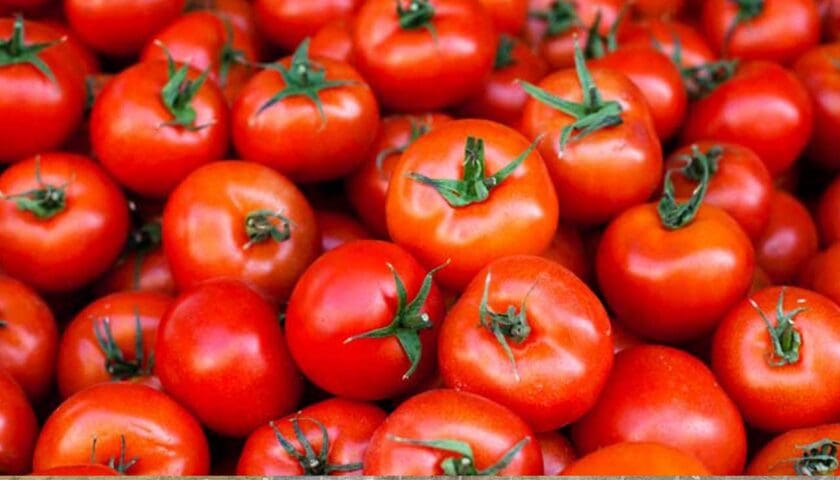
For tomato growers in the Upper East and North-East Regions, the facility would provide a commercial market that addresses two persistent problems: seasonal oversupply and post-harvest losses.
Ghana’s tomato sector has long struggled with gluts during peak harvest, when prices collapse and unsold fruit spoils, followed by shortages in the off-season.
Therefore, a processing plant capable of absorbing 500 tons creates a floor for farmgate prices during peak periods and turns surplus fruit into shelf-stable products instead of waste.
First, inspections revealed damaged roofing and missing equipment, and the government said machinery needs repair.
As a result, the government is considering tax relief for rehabilitation equipment and plans to rehabilitate irrigation schemes to support year-round tomato cultivation and ensure a consistent supply for processing.
That irrigation component is critical: a processing plant cannot operate economically if it runs only during the harvest window, so extending the growing season is a precondition for the facility’s viability, not a complementary measure.
In addition, the government is considering import-substitution measures, including incentives for domestic processors and higher taxes on imports, with Burkina Faso and Togo identified as potential export markets.
Ghana currently imports large volumes of tomato paste and processed tomato products, so expanding domestic processing capacity would redirect spending towards local production and create demand for local growers.
However, the government says the factory’s reopening depends on investor negotiations, rehabilitation requirements, and arrangements for tomato supply and market access.
Finally, the outcome will depend on whether supply agreements with growers can guarantee consistent volumes at prices that keep the plant competitive with imported paste.
Sign up HERE to receive our email newsletters with the latest news and insights from Africa and around the world, and follow us on our WhatsApp channel for updates.