
South Africa’s AGOA exit threatens US export ties as citrus faces higher tariffs
AgriSA stressed that losing preferences is not a ban: exporters can still supply the US, subject to tariffs, and the impact will vary by product.
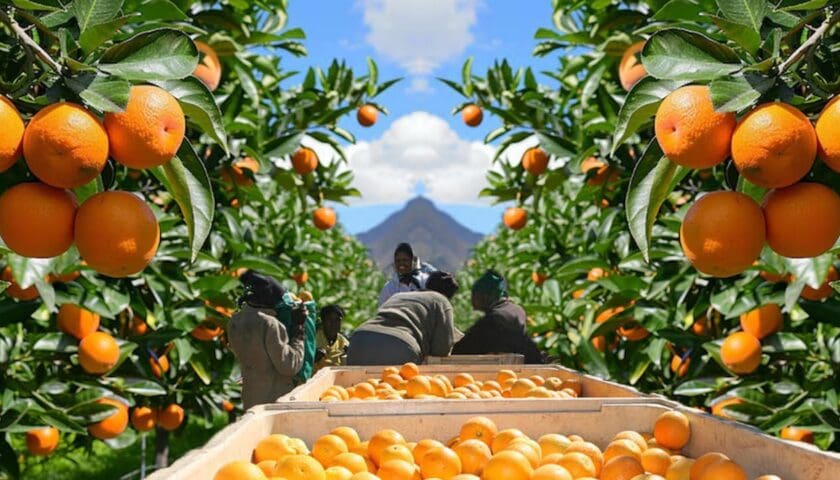
SOUTH AFRICA – South Africa’s planned removal from the African Growth and Opportunity Act (AGOA) from 1 January 2027 puts its US export relationships under pressure, with citrus exporters facing additional duties and concerns over jobs and investment.
Exporters Western Cape (EWC) says the province’s exports to the US fell 41%, from R16.89bn (US$1.02 billion) between August 2024 and July 2025 to R10.02bn (US$ 601.96 million) a year later.
Fruit juice exports fell by 86%, grapes by 79%, yachts by 55%, wine by 38% and citrus by 17%. EWC estimates that these exports support R12.98bn (US$779.75 million) of provincial GDP, 11,914 direct jobs and 35,467 indirect jobs.
EWC chairman Terry Gale said: “We can’t afford to see our trading relationships weakened, least of all with the US. Businesses have spent years building relationships with American customers and investing in the capacity to supply them. Losing preferential access puts those investments under pressure.“
Gale cautioned against treating diversification as an immediate substitute for US business, as building new customer relationships takes time and regulation can burden smaller exporters.
The Citrus Growers’ Association (CGA) called the exclusion a serious setback, warning of job losses in the Western and Northern Cape, though it is too early to estimate the numbers.
In addition, growers cannot simply redirect fruit, as other markets have different phytosanitary requirements, and some orchards were planted specifically for the US market.
Furthermore, without AGOA, citrus faces the standard US duty, generally 1.5 to 2.5 US cents per kilogram.
For instance, Mandarins, lemons and grapefruit are subject to the 12.5% Section 301 tariff, placing them at a disadvantage compared with those from Peru and Chile, while oranges have been exempt from that tariff since November 2025.
AgriSA stressed that losing preferences is not a ban: exporters can still supply the US, subject to tariffs, and the impact will vary by product.
It estimates US agricultural exports at US$504m in 2025, about 3% lower, and notes that the US market matters for specific products, and even modest duties could squeeze exporters with narrow margins.
EWC wants the government to identify where exposure is greatest, while AgriSA proposes continued diplomatic engagement with the US, product-specific guidance for exporters and buyers, and faster market diversification.
Lastly, it urges domestic reforms to sanitary approvals, port reliability, biosecurity and certification, and a more predictable long-term trading framework with SACU partners.
Sign up HERE to receive our email newsletters with the latest news and insights from Africa and around the world, and follow us on our WhatsApp channel for updates.