

South Africa seeks AGOA reversal after US midterm shifts
The incoming Congress is scheduled to take office on 3 January 2027, two days after South Africa’s planned exclusion.
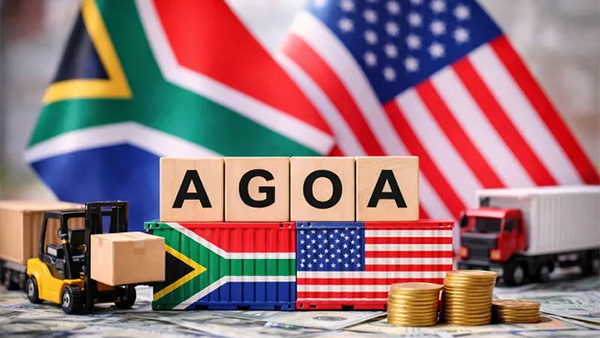
SOUTH AFRICA – The outcome of the US midterm elections has created an opportunity for South Africa to seek reconsideration of its planned exclusion from the African Growth and Opportunity Act ahead of the January 2027 deadline.
Terry Gale, chair of Exporters Western Cape, has called for a diplomatic and trade mission to Washington before the exclusion takes effect on 1 January 2027.
Following Democratic gains in both chambers of Congress, the proposed delegation would include government officials, business representatives and organized labour, and would engage with the White House, the US Trade Representative, congressional leaders and American businesses.
Gale has identified three possible outcomes: a negotiated reversal before January, congressional legislation to protect or restore South Africa’s eligibility, or the exclusion proceeding as announced.
The incoming Congress is scheduled to take office on 3 January 2027, two days after South Africa’s planned exclusion. Any effort to prevent an interruption in trade preferences would therefore need to begin before the change in congressional leadership.
For exporters, the timing is the binding constraint. Legislative intervention would face procedural hurdles and require presidential approval or sufficient congressional support to override a veto, with Republican support remaining necessary, according to Gale.
South Africa’s citrus exporters are among those potentially affected by the withdrawal of tariff preferences.
As a result, Gale has called for preparations to support exposed industries and diversify export markets if negotiations fail.
The delegation’s composition reflects the scale of the stake. Including government, business and labour signals that the case being made to Washington is about jobs and economic stability, not merely commercial access.
For US policymakers, that framing matters because AGOA’s stated purpose includes supporting economic development and labour standards, and a delegation representing all three constituencies speaks directly to those objectives.
If the exclusion proceeds, affected sectors will face the tariff disadvantage that AGOA was designed to remove, and the burden will fall on exporters already navigating port inefficiencies and rising input costs.
Finally, the opportunity is that the changed congressional arithmetic creates room for reconsideration that did not exist before, provided the delegation moves quickly enough to use it.
Sign up HERE to receive our email newsletters with the latest news and insights from Africa and around the world, and follow us on our WhatsApp channel for updates