
Okanagan Specialty Fruits creates first gene-edited fire blight-resistant apple tree
OSF’s advanced plant genomics lab in Saskatoon used the GenShield platform to disable the genes that make apples and pears susceptible to fire blight
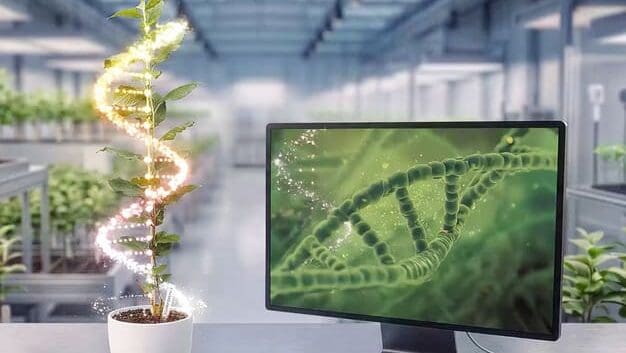
CANADA – Okanagan Specialty Fruits has created the world’s first gene-edited apple tree tolerant to fire blight, a bacterial disease that causes an estimated US$3.2 billion to US$5.6 billion in global damages annually and can reduce yields by 40%.
According to the company, the tree was developed through OSF’s GenShield platform, a genetics-based plant protection system that uses gene editing to confer durable disease tolerance in apples, pears, and other fruit plants.
OSF is the first company in North America to take a gene-editing approach to develop a disease-tolerance trait in apples to reduce crop losses, improve yields, and decrease reliance on chemicals used for prevention and treatment.
Fire blight has no known cure, and conventional management relies on pruning and chemical programmes that are both costly and only partially effective.
OSF’s advanced plant genomics lab in Saskatoon used the GenShield platform to disable the genes that make apples and pears susceptible to fire blight.
The pathogen still enters the plant and causes a small lesion at the point of infection, but the disease does not spread because the genes that allow fire blight bacteria to persist after the initial infection have been knocked out.
“As apple growers, we know first-hand the difficulty and expense of trying to prevent and control fire blight through pruning and chemical programs,” says OSF CEO and co-founder Neal Carter.
“GenShield solves that problem because the fire blight tolerance is built directly into the tree itself.”
OSF is seeking partnerships with variety owners worldwide interested in using the GenShield platform to develop disease tolerance in their apple and pear varieties, and it is preparing to license its first disease-tolerant apple variety to growers in North America.
Max Teplitski, Chief Science Officer for the International Fresh Produce Association, says gene editing gives breeders another way to help a crop withstand pests and diseases so more of what growers plant can make it to the table, with fewer inputs.
“We need innovation to grow fruits and vegetables more sustainably and keep them within reach for more families,” Teplitski says.
For the sector, the commercial test will be whether licensed varieties deliver yield stability across different growing regions and whether regulators in key export markets accept gene-edited fruit.
Lastly, OSF’s decision to license rather than restrict the platform suggests a strategy built on widespread adoption, which would give the technology the scale needed to justify continued investment.
Sign up HERE to receive our email newsletters with the latest news and insights from Africa and around the world, and follow us on our WhatsApp channel for updates.