

Nigeria onion prices jump 18.8% as storage losses deepen supply deficit
The National Onion Producers, Processors and Marketers Association of Nigeria reports that more than 51% of stored onions were lost between April and October.
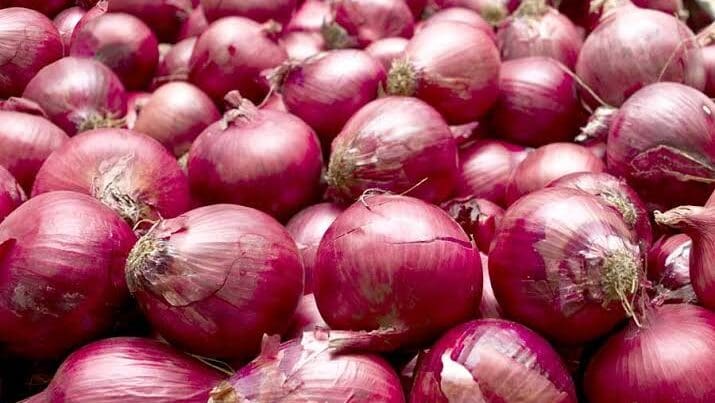
NIGERIA – Onion prices in Nigeria have risen 18.8% in 2026, even as several other staple crops recorded price declines, with traders in Enugu reporting daily increases, according to the National Agricultural Extension and Research Liaison Services (NAERLS).
NAERLS recorded a 21% decline in garri prices and a 13% drop in white maize prices, highlighting the split in Nigeria’s food basket.
Macroeconomic data reflect a similar divergence, with headline inflation slowing for four consecutive months to 14.63% in September 2026, down from 15.39% in August, helped by falling grain prices after wet-season harvests.
Yet in southern cities that depend on northern dry-season crops, fresh produce markets have moved in the opposite direction.
For traders and consumers, the divergence is explained by the structure of the onion supply chain rather than by any failure of the harvest itself.
The National Onion Producers, Processors and Marketers Association of Nigeria reports that more than 51% of stored onions were lost between April and October, with losses attributed to rudimentary mud-and-thatch storage huts, fire outbreaks at northern aggregation centres and reduced planting after farmers suffered weak returns last season.
Market data indicate that Nigeria produces roughly 2 million metric tons of onions annually, while demand is near 2.44 to 2.5 million tons, leaving little buffer once half of the stored stock spoils.
The supply deficit is therefore structural, and post-harvest losses turn a modest shortfall into an acute one during the storage season.
Transport adds a second layer of cost. Moving surviving stock from growing belts in Sokoto, Kebbi and Kano to Enugu involves deteriorated highways, higher diesel-driven haulage fares and insecurity along transit corridors, according to a trader cited in an October market survey at New Garki Market.
NOPPMAN expects supplies to increase as harvesting begins in Sokoto in November and December, followed by Aliero in Kebbi State between late December and January, with the main harvest scheduled for March to April.
Agriculture and Food Security Minister Abubakar Kyari announced on November 18 that the government plans to release stored food commodities under the Guaranteed Minimum Price scheme through the Bank of Agriculture, but strategic reserves focus on grains rather than fresh onions.
NAERLS also warned that Nigeria operates with just 2,064 active agricultural extension agents nationwide, leaving each officer serving an average of 4,982 farming families and 8,858 families in the South-South, restricting training on post-harvest curing and storage.
Sign up HERE to receive our email newsletters with the latest news and insights from Africa and around the world, and follow us on our WhatsApp channel for updates.