

Kraft Heinz, Egypt launch three-year programme to train 3,900 tomato farmers
The programme will establish field schools, each comprising about 20 farmers, and training-of-trainers initiatives to extend technical knowledge and improve pest management practices.
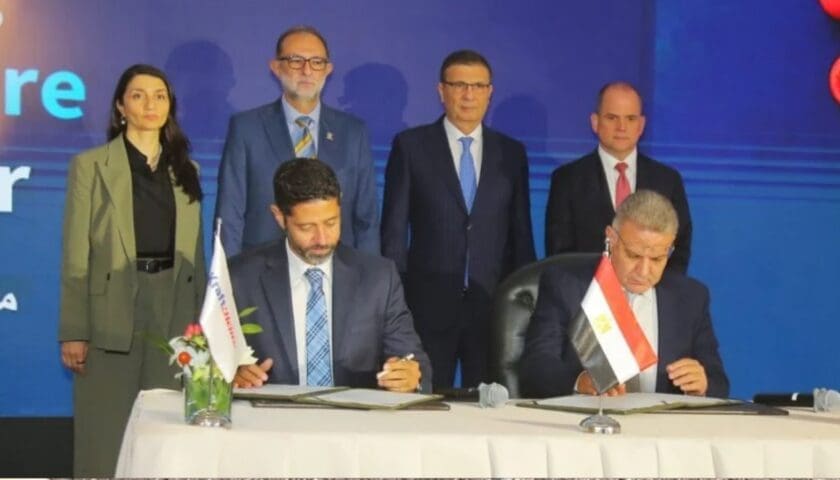
EGYPT – Egypt has launched a three-year agricultural initiative to support small-scale tomato farmers across nine governorates, targeting 3,900 farms with training in pest control and sustainable practices.
The programme, announced on Tuesday 17 November, is being spearheaded by Kraft Heinz and the Ministry of Agriculture.
It will initially cover Assiut, Sohag and Luxor, before expanding to six other governorates, with a focus on tackling Tuta absoluta, a destructive tomato pest that threatens crop yields and quality.
Ahmed Fahmy, managing director of Kraft Heinz for Africa and trading markets, says Egypt produces around 7.5 million tonnes of tomatoes annually, ranking fifth globally, with approximately 250,000 farmers cultivating the crop.
Fahmy identifies climate change, increasing resistance to pesticides, rising costs of pesticides and fertilisers, and export restrictions as major challenges for agricultural production in 2026.
Meanwhile, Agriculture Minister Alaa Farouk says agricultural pests account for around 20% of tomato production losses in Egypt, with Tuta absoluta among the main threats since it entered the country in 2008-2009.
For instance, rising temperatures have altered pest behaviour and spread, prompting some farmers to increase pesticide use, raising production costs and creating environmental and crop-quality concerns.
The programme will establish field schools, each comprising about 20 farmers, and training-of-trainers initiatives to extend technical knowledge and improve pest management practices.
Farouk says the initiative will promote biological pest control and improve production quality, helping farmers achieve better economic returns and supporting food security.
Moreover, he calls for greater involvement from universities and research institutions to transfer scientific expertise to farmers.
Mary Gukasyan, vice president for the Middle East and Africa, says the company is expanding its Egyptian manufacturing facility by adding seven production lines as part of a plan to double production capacity and strengthen exports.
Gukasyan stresses that manufacturing expansion depends partly on improving agricultural productivity and resilience, as stronger local farming supply chains would increase access to locally sourced raw materials, enhance factory competitiveness and reduce production costs.
Onko Schmitthausen, chief executive of Syngenta Agro, highlights the importance of public-private partnerships in extending agricultural knowledge to small-scale farmers, citing a similar programme in Ethiopia that reached around 140,000 farmers in its first few months.
Lastly, Syngenta’s research station in Egypt is funded through the company’s global research and development network, enabling locally conducted research to inform international activities. Kraft Heinz is already using the station for tomato research.
Sign up HERE to receive our email newsletters with the latest news and insights from Africa and around the world, and follow us on our WhatsApp channel for updates.