

Maersk pilots AI camera systems on vessels for crew and cargo safety
The pilot supplements existing safety and security measures, including crew training, physical security improvements, stronger access controls and cooperation with authorities.
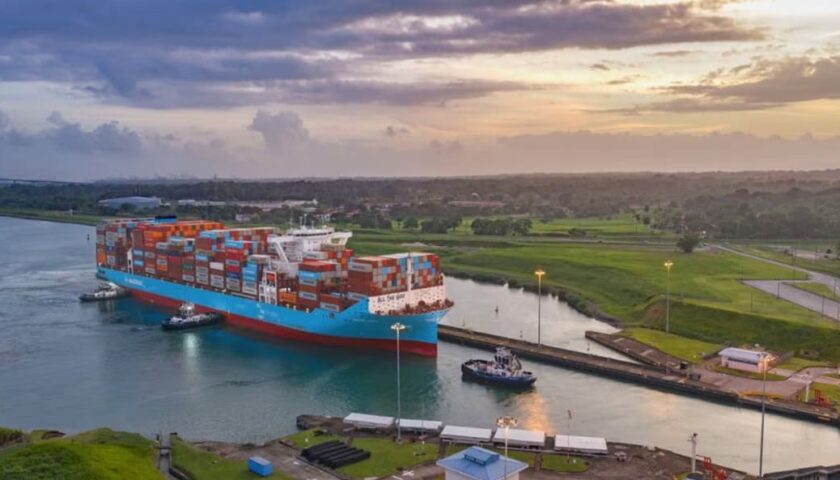
GLOBAL – Maersk has launched a pilot programme testing advanced camera technology combined with artificial intelligence on board several vessels, aimed at protecting employees and cargo travelling through global supply chains.
According to a company statement, the pilot began in September 2026.
Detection capabilities and operating scope
The technology will be installed in working areas to help detect issues that could cause engine room fires, missing safety equipment, or a mooring line under strain, all of which can cause accidents on board.
Maersk will also evaluate how the technology can provide an additional layer of onboard security by helping crews identify irregular activity and strengthen situational awareness of external threats, such as contraband attempts.
Niels Bruus, Head of Global Safety and Resilience at Maersk, said: “Our people and their safety and security are our number one priority, and this system is now being tested to support them.”
“The pilot is part of our wider layered approach to address risks and strengthens safety and security across the entire supply chain from vessels to terminals,” he added.
Maritime operating conditions
Deploying the technology reliably on-board vessels presents different challenges than in land-based environments.
The pilot will enable Maersk to test the technology under real operating conditions and assess its ability to support both day-to-day vessel operations and security.
“Technology can give us another tool, but it cannot stand alone. This pilot is about learning what works in a demanding maritime environment and understanding how camera technology can complement the other measures we already have in place,” Bruus said.
The pilot supplements existing safety and security measures, including crew training, physical security improvements, stronger access controls and cooperation with authorities.
The distinction between safety and security applications is notable. For instance, safety detection of engine room fire risks or unsecured mooring lines addresses routine operational hazards.
Furthermore, Maersk describes contraband detection as helping crews identify irregular activity and strengthen situational awareness of external threats.
Ultimately, the pilot test will determine whether AI cameras deliver reliable detection in maritime conditions, informing any wider fleet deployment.
Sign up HERE to receive our email newsletters with the latest news and insights from Africa and around the world, and follow us on our WhatsApp channel for updates.