
CMA CGM, DSV sign deal to cut 12,000 tonnes of shipping emissions
CMA CGM developed ACT+ as a range of low-carbon transport solutions, including UCOME-based biofuels and BioLNG.
GLOBAL – CMA CGM and DSV have signed an agreement under which DSV will use CMA CGM’s ACT+ low-carbon shipping solution to target a reduction of 12,000 tonnes of CO2 emissions over two years, according to a joint statement.
The reduction will come from low-carbon fuels, including second-generation biofuels based on used cooking oil methyl ester (UCOME).
CMA CGM said its ACT+ solution can reduce CO2 emissions by up to 83% compared with conventional shipping fuel.
Biofuel mechanics and cost implications
UCOME-based biofuels are produced from recycled cooking oil and are classified as second-generation feedstocks, meaning they do not compete with food production for agricultural land.
Ships can use the fuel in existing engines without modification, unlike alternative pathways such as methanol or ammonia, which require new vessels or retrofits.
For shippers, the commercial trade-off is straightforward: low-carbon fuel commands a premium over conventional bunker fuel, and the 12,000-tonne reduction represents a defined share of that premium borne by DSV.
The arrangement allows DSV to offer customers verified emissions reductions without owning vessels or fuel infrastructure, a model increasingly adopted by freight forwarders lacking direct control over maritime assets.
CMA CGM developed ACT+ as a range of low-carbon transport solutions, including UCOME-based biofuels and BioLNG.
The agreement strengthens the partnership and supports DSV’s commitment to achieving net-zero emissions across its operations and value chain by 2050.
Fleet investment and 2030 targets
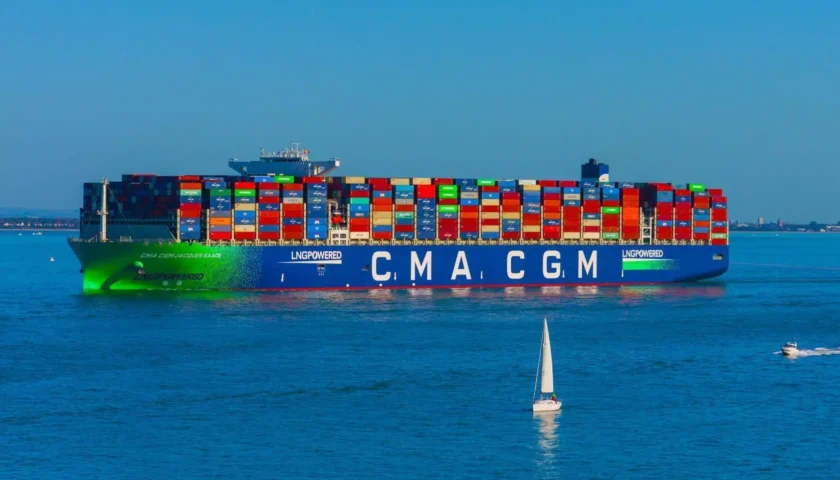
CMA CGM has worked on maritime decarbonization since its 2017 decision to invest in LNG propulsion for ultra-large container vessels, which led to the delivery of the CMA CGM Jacques Saadé in 2020, the world’s first 23,000-TEU LNG-powered container ship.
In 2026, CMA CGM introduced the CMA CGM NOTRE DAME, the largest containership under the French flag and the first of 10 new-generation 24,212-TEU LNG-powered vessels.
By 2031, CMA CGM expects to operate around 200 dual-fuel LNG- and methanol-powered vessels capable of using low-carbon fuels.
“The partnership with CMA CGM and the ACT+ solution would expand access to lower-carbon shipping options for DSV’s customers,” said Michael Hollstein, SVP Global Ocean Product at DSV.
Finally, biofuel-based solutions such as ACT+ deliver near-term emissions reductions for existing vessels, while the dual-fuel fleet under construction positions CMA CGM for longer-term fuel flexibility as methanol and ammonia infrastructure develops.
Sign up HERE to receive our email newsletters with the latest news and insights from Africa and around the world, and follow us on our WhatsApp channel for updates.