

Egypt secures Uruguayan onion, garlic export deal after Rome talks
The timing of the agreement aligns with strong export performance.
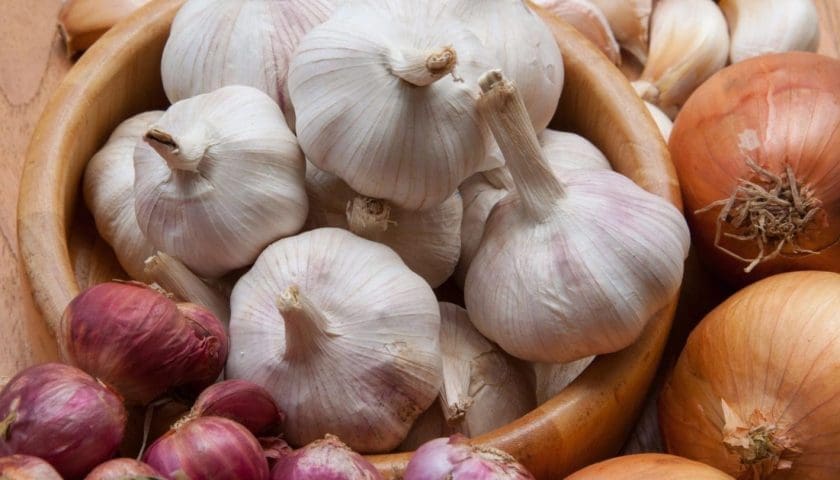
EGYPT – Egypt has successfully opened two new markets in Uruguay for onion and garlic exports following intensive technical negotiations on health and safety standards, strengthening the country’s presence in Latin American markets.
Minister of Agriculture Alaa Farouk announced the achievement, which stemmed from bilateral meetings held during the 20th session of the Commission for Sanitary and Phytosanitary Measures in Rome, Italy, in mid-March.
Dr. Mohamed El-Mansy, Head of the Central Administration for Agricultural Quarantine, explained that all technical and health requirements ensuring the quality and safety of Egyptian products were agreed upon during the negotiations.
For investors, Egypt’s expansion into Uruguay demonstrates how diplomatic and regulatory excellence can open new geographic frontiers for agricultural exports, creating opportunities for logistics providers, cold storage operators, and packaging suppliers serving these routes.
The timing of the agreement aligns with strong export performance. Egyptian onion exports reached approximately 24,275 tons during the first three months of 2026, while garlic exports for the same period totalled 5,147 tons. These figures reflect growing international demand for Egyptian produce and provide momentum for the Uruguay market entry.
The technical standards required for access to the Latin American market are instructive for exporters across the Middle East and Africa. Uruguay’s sanitary and phytosanitary requirements mirror those of many high-value markets, including traceability systems, pesticide residue limits, and pest-free certification.
Egyptian exporters who have met these standards are now well placed to pursue similar agreements with other Latin American countries, leveraging their compliance as a competitive advantage.
The Ministry of Agriculture affirmed its ongoing efforts to maintain the quality of Egyptian produce and to open new markets, thereby supporting the national economy and strengthening Egypt’s position as a global hub for high-quality agricultural exports.
For investors, the Uruguay deal signals Egypt’s commitment to diversifying exports beyond traditional European and Arab markets. Companies that support Egyptian exporters stand to benefit as export volumes grow.
Egypt’s successful entry into Uruguay’s onion and garlic market offers a blueprint for other African and Middle Eastern exporters seeking to diversify beyond traditional trade partners. By investing in regulatory compliance, quality assurance, and sustained diplomatic engagement, Egypt has transformed a distant market into a new destination for its agricultural surplus.
As global trade patterns continue to shift, such strategic market openings will become increasingly valuable to countries seeking to reduce dependence on any single export region.
Sign up HERE to receive our email newsletters with the latest news and insights from Africa and around the world, and follow us on our WhatsApp channel for updates.

