

Egypt’s Red Sea ports handle 21,000 tonnes of cargo, exports surge across 10 vessels
Export-heavy cargo flows suggest strong demand for Egyptian agricultural produce across Middle Eastern and North African markets.
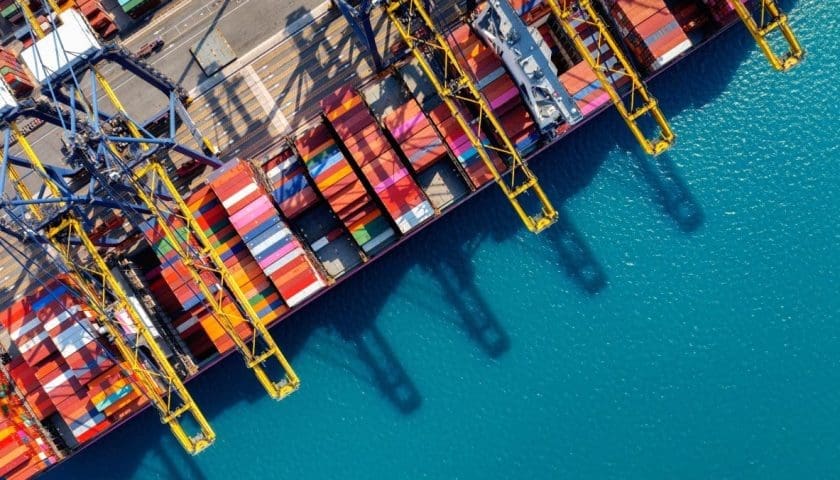
EGYPT – Ports operated by Egypt’s Red Sea Ports Authority have handled 21,000 tonnes of cargo, 622 trucks, and 25 cars across 10 vessels, according to a statement issued on 7 April 2026.
Imports accounted for 2,000 tonnes of cargo, while exports totalled 92,000 tonnes, indicating strong outbound cargo movement during the reporting period.
For fresh produce exporters and food logistics investors, these figures reflect the Red Sea corridor’s critical role in moving agricultural goods between Africa, the Middle East, and global markets.
Nuweiba Port: A Vital Hub for Regional Food Trade
The authority highlighted Nuweiba Port in South Sinai as a key node for regional logistics. In fact, during an earlier reporting period on 5 April, Nuweiba handled 5,800 tonnes of cargo and 412 trucks through shuttle voyages operated by four vessels.
Across all Red Sea ports, imports accounted for 5,000 tonnes of cargo, 379 trucks, and 68 cars, while exports totalled 11,000 tonnes of cargo, 516 trucks, and 12 cars, again reflecting a higher share of outbound shipments.
For food businesses, Nuweiba’s shuttle services are particularly significant. The port facilitates direct roll-on, roll-off connections to Aqaba, Jordan, and other Red Sea destinations, enabling the efficient movement of perishable goods such as fresh vegetables, fruits, and chilled meat products.
Export-heavy cargo flows suggest strong demand for Egyptian agricultural produce across Middle Eastern and North African markets.
Operational Context for Food Logistics
The Red Sea Ports Authority manages several key ports along Egypt’s Red Sea coast that support cargo flows linking the country with regional markets.
These ports handle a mix of general cargo, trucks, passenger traffic, and ferry services connecting Egypt with neighbouring countries. The authority regularly publishes operational updates reflecting cargo volumes, vessel traffic, and passenger movements across its network.
For fresh produce shippers, the disparity between import and export volumes highlights Egypt’s role as a net exporter of agricultural goods through its Red Sea gateway. Maintaining efficient port operations, including reduced vessel waiting times and streamlined customs procedures, directly supports the integrity of perishable cargo
As regional demand for Egyptian potatoes, citrus, onions, and other produce grows, sustained investment in port infrastructure and shuttle service frequency will be essential to preserve export momentum.
Finally, the authority’s continued focus on operational transparency provides investors with valuable benchmarks for supply chain planning.
Sign up HERE to receive our email newsletters with the latest news and insights from Africa and around the world, and follow us on our WhatsApp channel for updates.