
EU pushes for ban on meat terms for plant-based foods
Proposed law aims to limit use of words like ‘bacon’ and ‘chicken’ to animal-based products only.
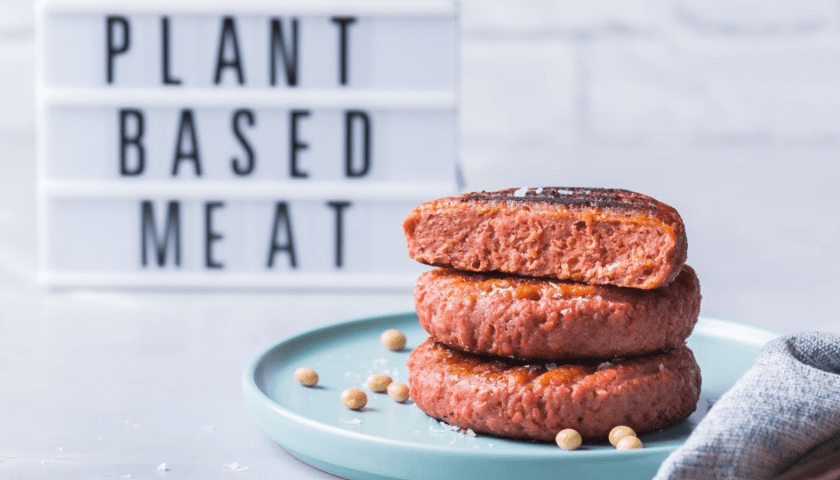
EUROPE – The European Commission is moving forward with a plan to prohibit plant-based foods from using traditional meat-related terms, a proposal that has stirred renewed tensions between regulators and producers across Europe.
The draft regulation, part of an update to the Common Market Organization Regulation, would restrict the use of 29 specific words, including “meat,” “pork,” “chicken,” “bacon,” and “tenderloin,” exclusively for animal-based products.
According to the proposal, these measures are meant to ensure consumers are not misled about the nutritional value and composition of food products, especially when they expect meat-like attributes.
It also argues that meat-related terminology has historical and cultural value, which the Commission believes warrants legal protection under EU food laws.
If approved, the new labeling rules would apply 12 months after the regulation comes into force, allowing food companies time to adjust.
The annex attached to the proposal strictly defines meat as “the edible parts of an animal” and says meat products must consist entirely of meat, except for minor additions necessary for processing.
This means that names like “rump,” “brisket,” “drumstick,” and “sirloin” would no longer be allowed on items made from plants, even if clearly labeled as meat-free.
However, the European Vegetarian Union (EVU) argues the Commission’s stance contradicts previous legal interpretations, including a European Court of Justice ruling that existing laws already provide sufficient consumer protection.
The EVU says the Commission had previously acknowledged that labeling was clear enough and consumers were not confused, making this shift in position unexpected and unnecessary.
It adds that the new measure follows earlier failed attempts in both national governments and the European Parliament, including a 2020 rejection of a similar plan and a court decision striking down a comparable French ban.
According to EVU senior policy manager Rafael Pinto, data from several EU member states shows that shoppers understand plant-based products even when they include familiar meat terms.
He further claims that enforcing these changes would waste public funds and limit business freedom across the plant-based food market.
Consumer sentiment and political divides
A 2020 study by the European Consumer Organisation found that 80% of respondents believe plant-based items should be allowed to use traditional meat terms as long as the label makes the plant origin clear.
While terms like “burger,” “steak,” and “sausage” are excluded from this particular regulation, a parallel proposal from French MEP Céline Imart seeks to include them and could go to a vote later this year.
For food producers and ingredient companies, the regulation, if enacted, could impact product development, marketing, and packaging strategies across the EU plant-based market, valued at over US$5.5 billion (approx. €5 billion).
Critics also say the proposal clashes with wider EU goals on reducing bureaucracy, promoting sustainable agriculture, and supporting innovation in food.
The EVU has urged Commission President Ursula von der Leyen and other senior officials to reject the plan, calling it harmful and out of step with both consumer preferences and EU priorities.
Sign up HERE to receive our email newsletters with the latest news and insights from Africa and around the world, and follow us on our WhatsApp channel for updates.