India deploys special vessels to West Asia, targets 50% cut in freight rates
The Directorate General of Foreign Trade has held consultations, and APEDA will lead cargo aggregation, including identifying exporters willing to participate.
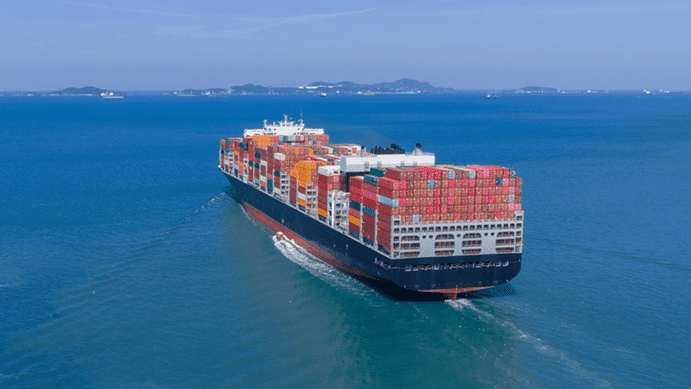
INDIA – The Indian commerce department is working with the Shipping Corporation of India to operate special vessels to West Asia, targeting freight rates at roughly half current levels to support exporters.
For logistics operators and food supply chain stakeholders, this initiative addresses a critical challenge: current freight rates to West Asia range from US$3,000 to US$3,500 per TEU and from US$4,500 to US$6,000 for refrigerated containers, levels that, for some destinations, exceed the value of the goods being shipped.
How the Vessel Plan Works
With the Strait of Hormuz remaining inaccessible, vessels may dock at alternative ports, with onward road transport already in use for certain markets.
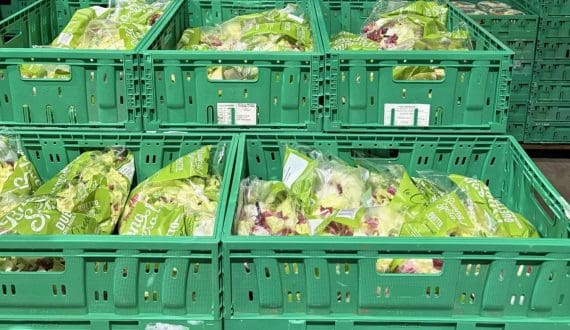
The Directorate General of Foreign Trade has held consultations, and APEDA will lead cargo aggregation, including identifying exporters willing to participate. The plan covers a range of agricultural products, from perishables such as onions, bananas, and other fruit and vegetables to rice and tea.
Based on demand for refrigerated and non-refrigerated cargo, the Shipping Corporation of India will deploy vessels, with routes and frequencies set accordingly.
Further, discussions have covered vessel size, with options ranging from 4,000 TEU merchant vessels to smaller units of around 1,000 TEU, particularly in the initial phase.
Container Availability and Alternative to Subsidies
Concor will support container availability and facilitate cargo movement to ports, as shortages may arise in the coming weeks.
The commerce department had considered freight subsidies, but the vessel plan is seen as an alternative that targets specific markets and aligns with global trade rules on subsidies.
Some countries in the Gulf region are also exploring options to share freight costs, particularly for food shipments.
Logistics Outlook
For logistics managers transporting perishable cargo to Middle Eastern markets, dedicated vessels at reduced rates restore commercial viability to shipments that have become economically unviable.
In addition, cargo aggregation through APEDA ensures sufficient load volumes for scheduled sailing. Alternative port docking bypasses the Strait of Hormuz while maintaining connectivity via road transport.
Therefore, this government-coordinated approach offers a practical workaround to shipping disruptions, benefiting both Indian exporters and Gulf importers reliant on time-sensitive food supplies.
As the plan progresses, vessel size and frequency will adjust to demand, with smaller 1,000 TEU units likely in the initial phase to test route efficiency before scaling up.
Sign up HERE to receive our email newsletters with the latest news and insights from Africa and around the world, and follow us on our WhatsApp channel for updates.