

Kakamega farmers receive avocado, banana seedlings in watershed management push
Extension visits to all 432 participating farmers are planned over the next two years.
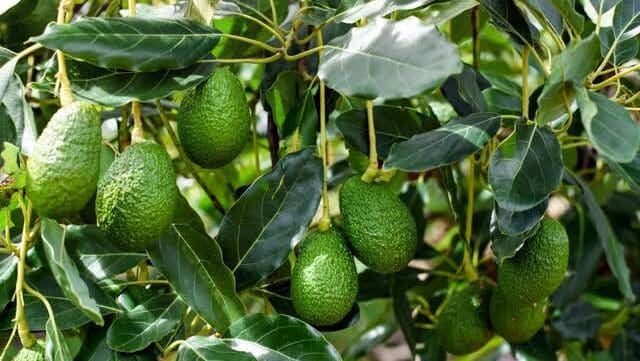
KENYA – Farmers in Nzoia Ward, Kakamega County, have begun receiving avocado and banana planting material as part of a 944-hectare watershed management programme focused on soil erosion, water availability, and crop diversification.
Through the National Agricultural Value Chain Development Project, the county government has distributed 2,160 Hass avocado seedlings, 4,320 tissue-culture banana seedlings, and 8,640 vetiver grass splits.
The programme covers 432 farmers organized into 12 groups, with women accounting for 60% of participants.
The approach combines agroforestry with terracing. Vetiver grass is planted to stabilize terraces and reduce soil erosion, while avocado and banana production is intended to diversify cropping systems. The average farm size in the area is approximately 2.2 hectares.
According to county figures, Kakamega loses approximately 10 tonnes of soil per hectare annually to erosion, with crop yields declining by up to 30% in affected areas. These conditions have historically threatened the livelihoods of farmers who rely on maize as their primary source of income.
Water harvesting is another component of the programme. Following training, farmers will be supported in establishing farm ponds measuring approximately 10 by 5 metres, with a storage capacity of up to 75,000 litres. Stored rainwater can be used for irrigation during dry periods and could extend production by up to three months beyond the rainy season.
The intervention particularly targets growers outside the Mumunyonzo Irrigation Project, which serves about 200 farmers. Farmers are receiving training in terrace construction, tree planting, water harvesting, soil conservation, crop management, and marketing. Extension visits to all 432 participating farmers are planned over the next two years.
This initiative promotes crop diversification and economic stability by introducing high-value crops, such as avocado and banana, alongside traditional maize. Diversified farming systems also improve soil health and provide nutritional benefits for households.
The county is also developing the Kakamega County Agricultural Sector Extension Policy 2026, which covers extension staffing, infrastructure, ICT, irrigation, research linkages, and farmer engagement.
Additionally, the initiative empowers the community to transition to sustainable farming practices that protect vital natural resources while improving household incomes and food security.
Finally, the programme’s success will depend on continued support from the county government, effective delivery of training and extension services, and farmers’ active participation in adopting sustainable practices.
Sign up HERE to receive our email newsletters with the latest news and insights from Africa and around the world, and follow us on our WhatsApp channel for updates