
Kenya closes avocado sea exports from October 30 due to fruit shortage
Only stocks verified and cleared before that deadline will be eligible for export.
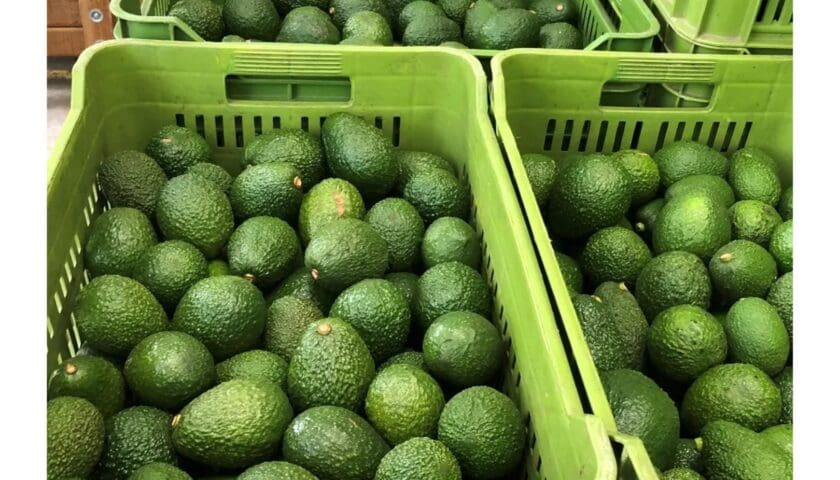
KENYA – Kenya’s Agriculture and Food Authority (AFA) has closed the avocado harvesting season for sea exports effective October 30, 2026, after a nationwide assessment found harvest volumes too low to support shipments, according to a notice issued on October 28.
AFA Director General Calistus Efukho said the Horticultural Crops Directorate had surveyed major avocado-growing regions to assess crop conditions and forecast availability for the next main season.
The restrictions apply to the Hass, Fuerte, Pinkerton and Jumbo varieties, though air-freight exports of these varieties will remain permitted.
The Horticultural Crops Directorate will continue to inspect all avocado export consignments, and exporters must provide traceability documentation for each shipment.
For exporters, the distinction between sea and air freight is commercially decisive. Sea freight carries most volume for price-sensitive markets, while air freight serves premium buyers willing to absorb higher transport costs.
As a result, closing sea exports removes the channel through which most Kenyan avocado reaches European retailers, leaving only air shipments that cannot absorb the same volumes. Exporters with forward contracts for sea consignments will need to renegotiate or divert fruit to domestic and regional markets.
The AFA has also suspended avocado harvesting for oil processing, and processors holding existing oil stocks intended for export must request verification through the Directorate by November 2, 2026. Only stocks verified and cleared before that deadline will be eligible for export.
Moreover, the authority has also prohibited importing avocado fruit for oil processing during the closure, aiming to prevent immature, locally harvested avocados from being presented as imported fruit. That measure closes a loophole that could otherwise have undermined the harvest ban.
Meanwhile, mango exporters face separate instructions after reports that some operators mixed mango consignments with avocados for sea shipment, contrary to Section 20(5) of the Crops (Horticultural Crops) Regulations, 2020.
Therefore, mango exporters must ensure consignments submitted for export permits contain only mangoes, with all produce inspected before the Directorate issues an export certificate, applying through the online system and specifying the packhouse location.
Finally, the authority warned that avocado exporters and oil processors found violating the season closure guidelines may have their export licenses revoked, while non-compliant consignments will not receive permits.
Sign up HERE to receive our email newsletters with the latest news and insights from Africa and around the world, and follow us on our WhatsApp channel for updates.