

Kenya opens new seed potato centre to bridge 126,000-ton supply gap
The Marindas centre supports smallholders by providing access to certified seeds and training in improved agricultural practices.
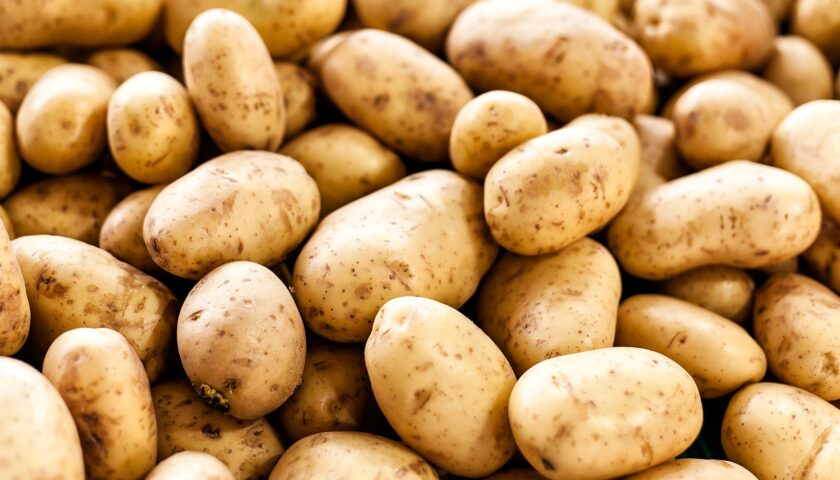
KENYA – Kenya has opened a new specialized seed potato production and training facility in Nakuru County to address a critical shortage of certified seed, as national demand far exceeds current supply.
The Kenya Agricultural and Livestock Research Organization inaugurated the Marindas Seed Potato Centre in Kuresoi on 25 August. The facility covers about 243 hectares, with nearly half dedicated to seed multiplication each year. It will also serve as a training centre for farmers.
KALRO said the facility will enable farmers to obtain seed nearer their farms and access training in improved agricultural practices. However, the centre’s production capacity has not yet been disclosed.
The investment comes as Kenya faces a substantial shortage of certified potato seed. According to KALRO Director General Patrick Ketiem, national demand is estimated at 150,000 tons, compared with a current supply of about 24,000 tons. This leaves a 126,000-ton gap, limiting productivity across the sector.
Kenya’s efforts to strengthen its seed supply come amid a decline in potato production. According to the Kenya National Bureau of Statistics, output fell from 2.31 million tonnes in 2023 to 2.15 million tonnes in 2024. The area under potato cultivation also declined, from 239,300 hectares to 226,000 hectares.
The drop was mainly attributed to irregular rainfall. Insufficient short rains and excessive long rains contributed to the spread of fungal diseases, including late blight.
However, lower production did not translate into lower crop value. KNBS data show that the value of potato production rose from KES65.9 billion to KES72.5 billion (approx. US$509 million to US$560 million) between 2023 and 2024, supported by higher potato prices.
The primary constraints on Kenya’s potato production are a severe shortage of certified seed, irregular rainfall, and the spread of fungal diseases. The Marindas centre supports smallholders by providing access to certified seeds and training in improved agricultural practices.
Moreover, KNBS estimates that 90% of Kenya’s potatoes are grown on plots smaller than 0.2 hectares. A larger supply of quality seeds could therefore help improve productivity among smallholders, who account for most of the country’s potato production.
The centre represents a strategic investment in Kenya’s agricultural future, addressing both immediate seed shortages and long-term capacity building through farmer training.
Ultimately, by increasing local seed multiplication, the government hopes to boost agricultural productivity and stabilize the country’s food supply.
Sign up HERE to receive our email newsletters with the latest news and insights from Africa and around the world, and follow us on our WhatsApp channel for updates.