Kenya to enforce mandatory Advance Cargo Declaration system from August 2026 to modernize customs
This initiative aims to modernize customs and enhance trade security, while positioning Kenya as a digitally advanced trading partner in the region.
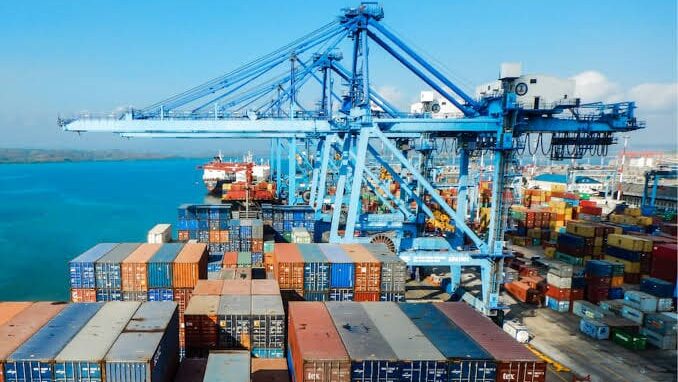
KENYA – The Kenya Revenue Authority (KRA) has officially announced the launch of its mandatory Advance Cargo Declaration (ACD) system. Scheduled to go live on 3 August 2026, the digital pre-arrival platform aims to significantly enhance customs administration, secure regional trade routes, and reduce long-term bottlenecks at entry points such as the Port of Mombasa.
Under the new regulatory framework, international exporters shipping containerized cargo to Kenya must obtain a unique ACD reference code before their shipments are loaded at the port of origin.
The KRA system issues this mandatory clearing code only after logistics providers upload four core shipping documents directly to the online portal: a draft Bill of Lading, a Commercial Invoice, a Freight Invoice, and an officially processed Export Declaration.
Once the platform validates these submissions, the resulting unique ACD tracking code must be physically or digitally endorsed on the final Bill of Lading before the vessel can set sail for Kenyan shores.
Strategic Vision and Digital Modernization
This digital initiative requires international exporters to submit essential shipping documentation via a centralized portal to obtain a unique reference code before loading cargo.
While the government intends this technology to streamline clearance and identify security risks early, the private sector has expressed significant anxiety about the strict timeline.
The automated system enables customs officials to conduct early risk assessments and expedite clearance for compliant cargo. This initiative aims to modernize customs and enhance trade security, while positioning Kenya as a digitally advanced trading partner in the region.
Industry Concerns and Implementation Challenges
Industry organizations, such as the Road Freight Association (RFA), have publicly voiced structural concerns about the rapid implementation timeline.
Transport leaders argue that without a phased transition, forcing sudden global adherence to a new digital portal risks disrupting established regional supply chains.
Outlook and Support Measures
Despite these industry hesitations, the KRA continues to push aggressively towards its August launch, setting up dedicated operational support lines to help clarify compliance rules for international traders. The authority is providing support resources to help traders navigate the new regulatory requirements.
In the end, the system aims to streamline clearance and identify security risks early, with the authority remaining prepared to adjust implementation as needed to ensure smooth integration into global supply chains and minimize disruption to regional trade flows.
Sign up HERE to receive our email newsletters with the latest news and insights from Africa and around the world, and follow us on our WhatsApp channel for updates