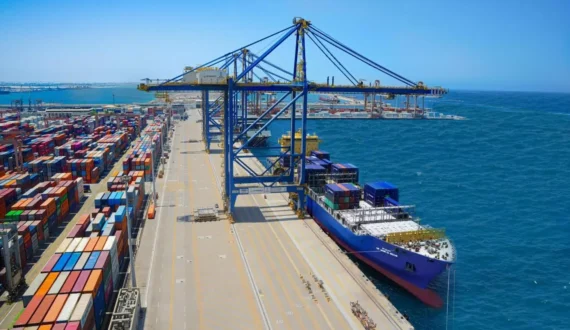
Meyer pushes Cape Town port privatization amid US$518M flood damage
The Western Cape accounts for roughly 80% of South Africa’s deciduous fruit exports, including citrus, table grapes, apples, pears, and stone fruit.
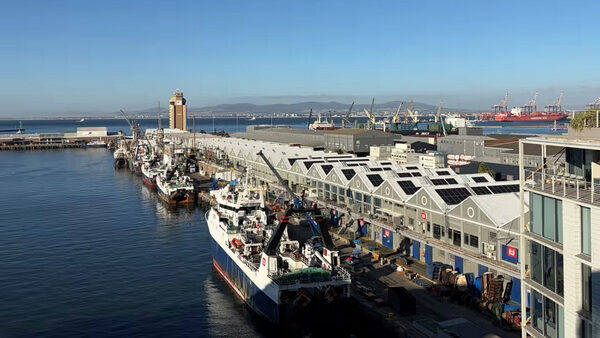
SOUTH AFRICA – Western Cape Agriculture Minister Ivan Meyer has pushed for privatization of the Port of Cape Town to address logistics bottlenecks affecting agricultural exports, as the province recovers from floods that caused US$518 million in damage, according to remarks at Nampo Cape 2026.
Meyer called for the full privatization of the Cape Town port terminal during an interview with Farmer’s Weekly general manager Gary Wium.
Meanwhile, Transnet is seeking a private operator to design, finance, refurbish, and operate the port’s multipurpose terminal under a 25-year concession.
However, the process is separate from the Cape Town Container Terminal and does not entail the privatization of the entire port.
Export losses and rerouting costs
Meyer said port performance has already affected fruit exporters. For instance, last season, an estimated 55,000 tons of table grapes had to be rerouted through Eastern Cape ports, adding transport and logistics costs for growers.
As a result, South Africa’s agricultural exports increased by about 10% from 2024 to 2025, rising from US$13.7 billion to US$15.1 billion, according to Meyer.
The Western Cape accounts for roughly 80% of South Africa’s deciduous fruit exports, including citrus, table grapes, apples, pears, and stone fruit.
Flood damage and recovery
Meyer addressed recovery from flooding earlier this year, which damaged agricultural land, roads, bridges, orchards and vineyards across the Western Cape.
Provincial assessments put overall damage at approximately US$518 million, with damage to agricultural infrastructure exceeding US$224 million.
More than 80% of the affected roads and bridges have since been attended to or reopened, although permanent repairs will take longer. The Western Cape government has committed R100 million (US$5.7 million) in emergency funding for road repairs, provincial authorities said.
Climate adaptation planning
The province is planning a climate technology symposium focused on farm-level measures for managing drought, flooding, extreme temperatures and changing rainfall patterns.
“We must prepare ourselves for climate change,” he said, adding that the Western Cape’s Mediterranean climate requires mitigation and adaptation measures suited to Mediterranean growing conditions.
Moreover, the Port of Cape Town recorded container volumes up 16% in the first quarter of the 2026/27 financial year, while average vessel waiting time fell from 115 hours to 44.3 hours, according to Transport Minister Barbara Creecy.
Lastly, container terminal ship turnaround time improved from 103 hours in 2023/24 to 55 hours year-to-date in the 2026/27 financial year.
Sign up HERE to receive our email newsletters with the latest news and insights from Africa and around the world, and follow us on our WhatsApp channel for updates.