

MSC partially resumes Suez Canal transits on East-West services from late August
While schedules are being updated to reflect these changes, the company emphasizes that crew safety and cargo security remain its primary concerns.
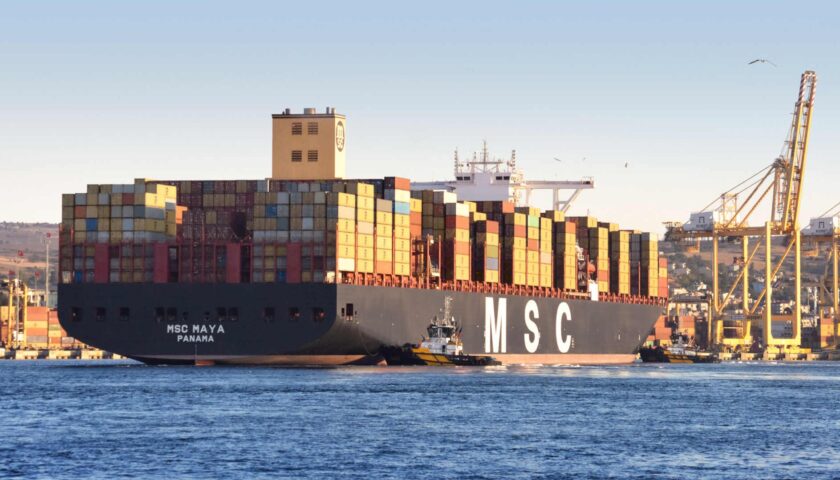
GLOBAL – MSC has decided to partially resume Suez Canal transits on a limited number of its East-West services, following a comprehensive review of the latest security and operational conditions in the Red Sea region. The shipping company is returning to traditional maritime corridors while maintaining high levels of vigilance.
The change will apply to both westbound and eastbound voyages, commencing with specific sailings from late August 2026.
The affected services include Asia-Mediterranean / Jade Service Eastbound, Asia-North Europe / Albatros Service Eastbound, India-Mediterranean / Himalaya Service Westbound, and Asia-Mediterranean / Tiger Service.
Individual booking confirmations and online schedules will be updated progressively to reflect the new voyage plans. The transition will be implemented service by service, with MSC continuing to closely monitor developments across the region in coordination with the relevant authorities and security partners.
Operational Shift and Route Details
Starting in late August 2026, specific vessels will resume navigating these waters, marking a transition away from previous detours implemented due to security concerns in the Red Sea region. The partial resumption affects several East-West trade routes, particularly those connecting Asia, the Mediterranean, and Northern Europe.
The first sailings include MSC MICHEL CAPPELLINI on the Jade Service Eastbound, departing Abu Kir on 24/08/2026; MSC JOSEFINA on the Albatros Service Eastbound, departing Jeddah on 24/08/2026; and MSC BERYL on the Himalaya Service Westbound, departing Vizhinjam on 31/08/2026.
Safety Priority and Contingency Measures
While schedules are being updated to reflect these changes, the company emphasizes that crew safety and cargo security remain its primary concerns. Protecting seafarers, vessels, and customers’ cargo remains the overriding priority.
Consequently, contingency arrangements remain in place, allowing individual voyages to be adjusted if circumstances require. This cautious approach ensures that MSC can respond quickly to any deterioration in the security situation while providing customers with improved transit times and service reliability.
Ultimately, this strategic move signals a cautious return to traditional maritime corridors while maintaining high levels of vigilance. MSC will continue to coordinate with relevant authorities and security partners to ensure safe passage through the region.
Sign up HERE to receive our email newsletters with the latest news and insights from Africa and around the world, and follow us on our WhatsApp channel for updates.