
Namibia’s aquaculture expansion stumbles amid fish feed shortage
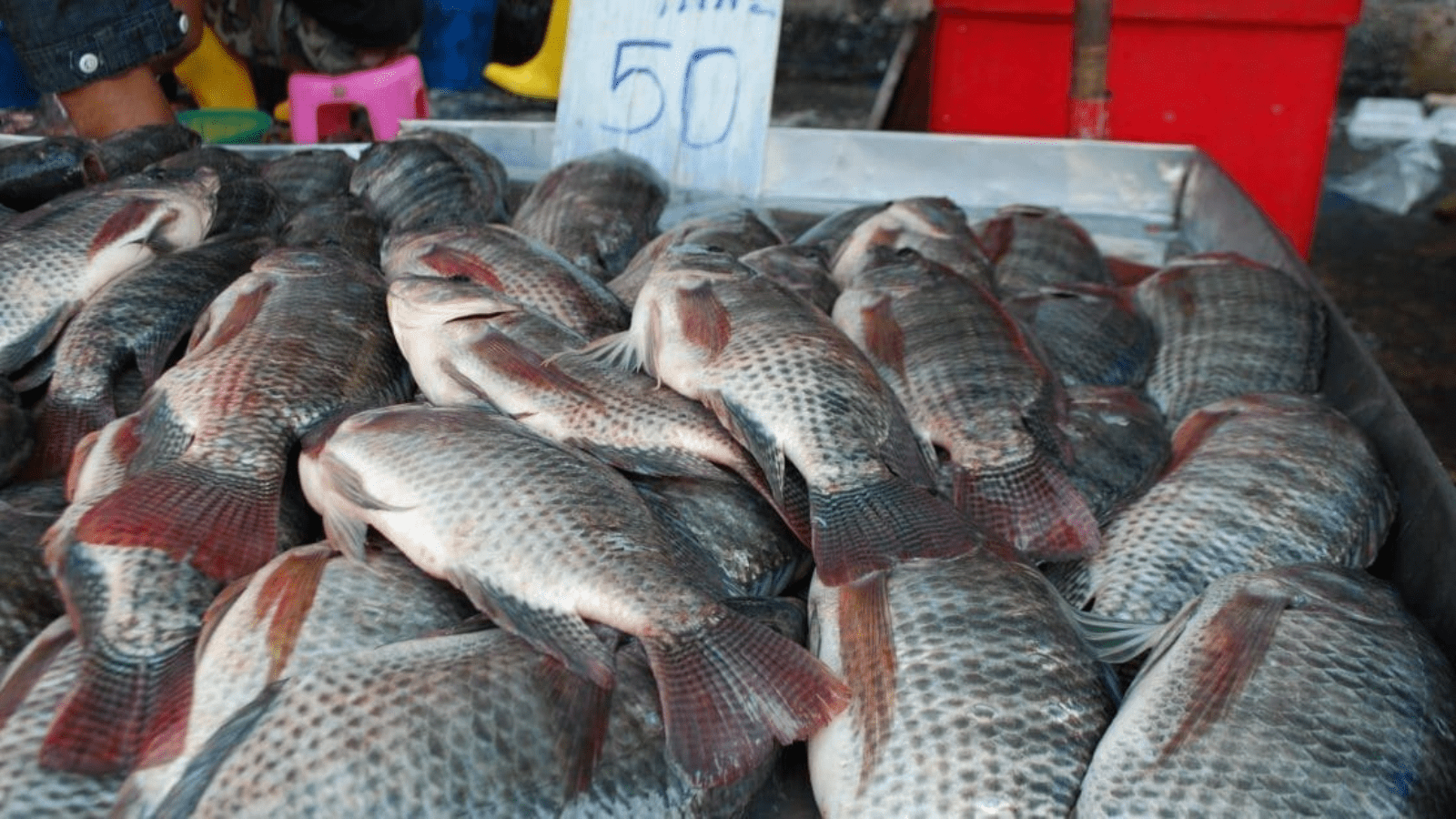
NAMIBIA – Namibia’s growing aquaculture industry is encountering a major challenge as an ongoing fish feed shortage, exacerbated by prolonged drought conditions, threatens to hinder progress.
As the nation strives to enhance its aquaculture production, the scarcity of essential ingredients for feed manufacturing has left the sector grappling with sustainability concerns.
Deputy Minister of Fisheries and Marine Resources, Sylvia Makgone, recently expressed deep concern over the impact of the drought, which has affected Namibia and neighboring Zambia, a key supplier of raw materials like maize and pearl millet for fish feed.
The persistent drought has severely disrupted agricultural activities, leading to a critical deficit of these vital components.
In her remarks, Makgone highlighted the gravity of the situation, noting, “Fish feed production in Namibia has been severely impacted, with the Ministry stepping in to produce it themselves. However, due to the specific types of fish we cultivate, we rely heavily on maize and pearl millet, both of which are in short supply because of the widespread drought.”
The fish feed crisis poses a significant obstacle to Namibia’s 10-year National Aquaculture Master Plan, which concluded in 2023.
The plan had identified the need for quality fish feed as a top priority, acknowledging the limited involvement of the private sector in the short term and placing the responsibility on the government to lead production efforts.
Additionally, the plan underscored the importance of research and development to create cost-effective feeds that would lower production costs, particularly for small and medium-scale producers.
Despite efforts, the situation has worsened in 2024, with minimal rainfall reported in key agricultural regions such as Omusati, Oshana, and Zambezi.
Where rain has occurred, it has often led to flash floods, further damaging crops and exacerbating the feed shortage.
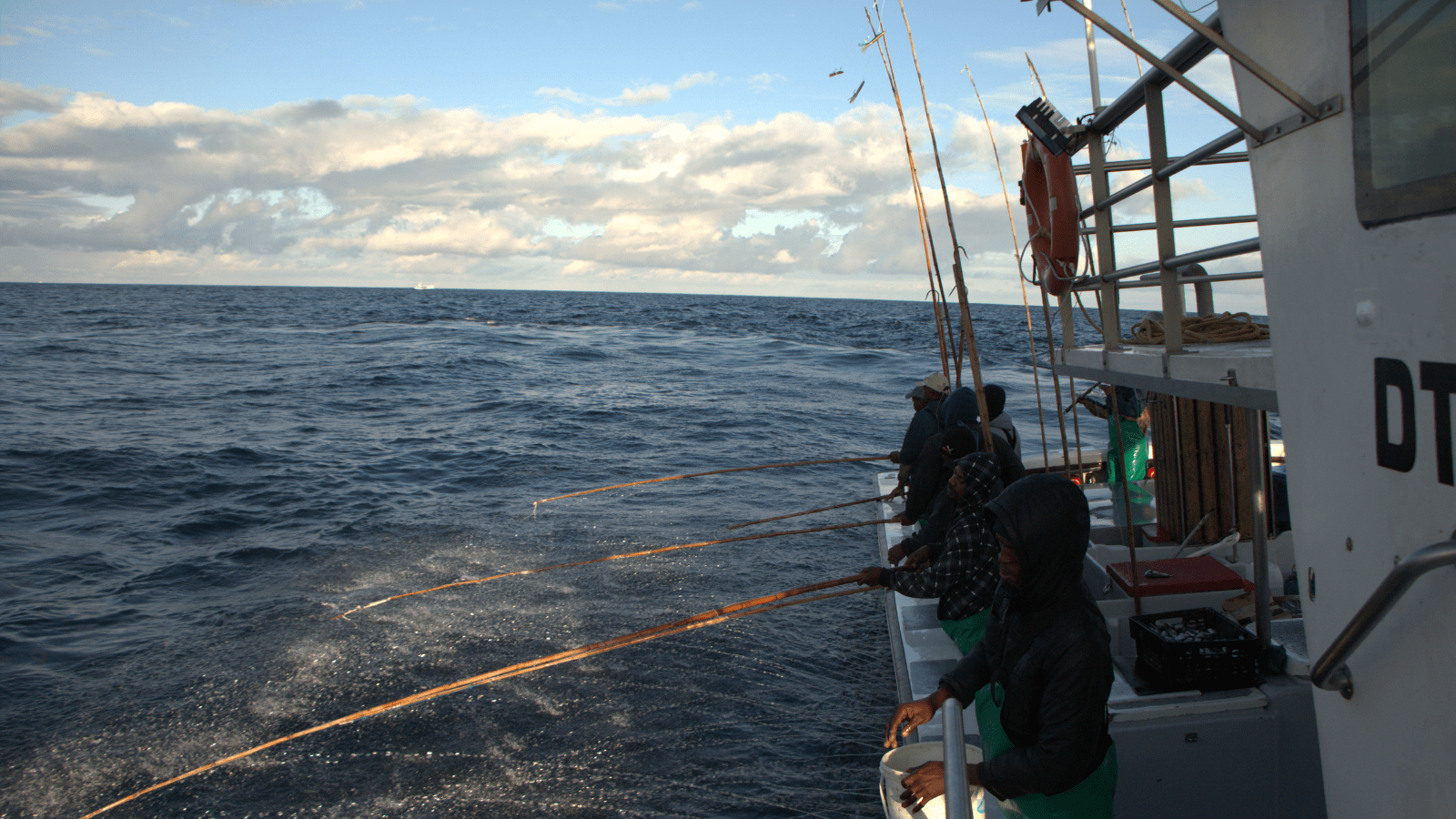
Fishing is one of Namibia’s leading industries, consistently contributing about 3% of the nation’s GDP since 2007 and accounting for roughly 20% of export earnings.
In 2022, Namibia’s fish and fishery product exports were valued at USD 760 million, with the majority of horse mackerel destined for African markets and most hake and anglerfish exports headed to the European Union.
Liked this article? Sign up to receive our email newsletters with the latest news updates and insights from Africa and the World HERE