
Panama Canal sets 49.5-foot draft limit from July 3, auction prices hit US$400,000
While current water reserves provide a buffer through December, the potential development of El Niño could trigger further restrictions.
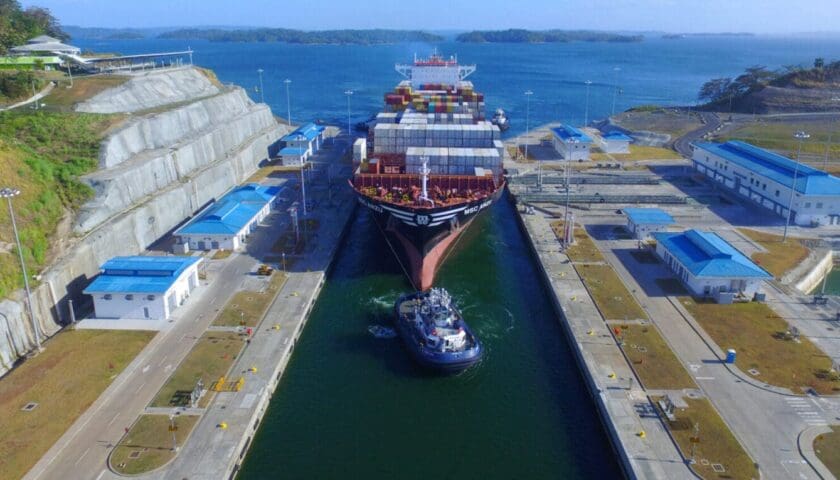
PANAMA – The Panama Canal Authority has announced a reduction in the maximum authorized draft to 49.5 feet for the Neopanamax locks, effective 3 July, based on current water levels and potential El Niño development. Auction prices for transit slots have risen to approximately US$400,000.
For freight forwarders and logistics managers handling time-sensitive cargo, the draft adjustment forms part of the canal’s water management strategy and will not affect the number of daily vessel transits. It marks the first draft restriction introduced in approximately two years.
Water Reserves and Drought Prevention
The ACP said water reserves remain strong following heavy rainfall in the latest dry season, with both Gatun and Alhajuela lakes at maximum capacity. Canal authorities indicated that available reserves provide a buffer should El Niño conditions develop later this year. They do not expect major disruption before December and will continue to monitor weather and hydrological conditions weekly.
The move has renewed attention on the Panama Canal’s role in global supply chains following the 2023-24 drought, when water shortages led to draft restrictions and transit limitations, resulting in canal throughput falling by as much as 40% below normal.
Demand Surge and Auction Price Spike
At the same time, shipping activity through the canal remains high. Clarksons noted that any future restrictions could have a greater impact on vessel traffic given current demand levels.
“As trade flows are reshaped by the Middle East conflict, trends at Panama are again in close focus,” Clarksons said in its latest weekly report.
The research group reported that average waiting times for deep-sea cargo vessels reached 50 hours in April and May, compared with around 30 hours before the recent increase in traffic. The number of vessels waiting to transit the canal has also risen.
Additionally, competition for priority passage has intensified. According to reports, some priority bookings have reached up to US$4 million per vessel, exceeding levels seen during the previous drought.
While current water reserves provide a buffer through December, the potential development of El Niño could trigger further restrictions. The canal authority’s weekly monitoring means conditions could change rapidly, requiring supply chain managers to maintain flexible routing options.
Finally, this delicate balance between water conservation efforts and increasing pressure on global maritime infrastructure will continue to shape international trade dynamics.
Sign up HERE to receive our email newsletters with the latest news and insights from Africa and around the world, and follow us on our WhatsApp channel for updates.