
Senegal mango exports to Europe exceed 19,000 tons as pest control improves
The priority has been to avoid tighter trade restrictions or export suspensions, as faced by other West African producers.
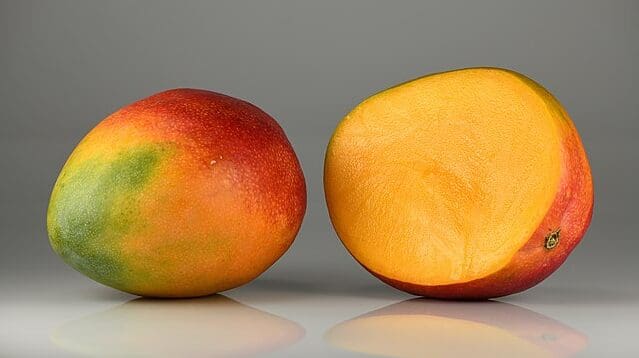
SENEGAL – Senegal’s mango exports to Europe are estimated to have exceeded 19,000 tons in 2026, up from approximately 14,000 tons in the previous season, driven by improved fruit fly control and stronger phytosanitary inspections.
Exporters attribute the recovery to improved pest management measures, including traps distributed by the Plant Protection Directorate (DPV), enhanced field monitoring, and stricter phytosanitary checks.
In 2022, 32 shipments were intercepted in international markets due to fruit fly infestations, about five times as many as the previous year, leading to a 54% drop in exports to 17,903 tons.
Volumes fell further to 12,000 tons in 2024 amid a resurgence of infestations. However, increased public investment and stepped-up phytosanitary controls have since improved conditions.
“Industry players were able to control fruit fly infestations by installing traps distributed by the DPV, and its agents were present in the field to inspect packing centers and orchards and check mango quality,” said Aminata Diouf, managing director of Domaine Agricole de Nema.
Amadou Ndiaye Seck, director of A.N.S Inter-Export, added: “Senegal was able to keep fruit fly infestations under control despite increased scrutiny of shipments.”
Despite these gains, quality challenges persist. “Some shipments were intercepted at EU borders for several reasons, including a shortage of phytosanitary agents and extensive areas of untreated orchards that remain exposed to diseases such as anthracnose and bacterial black spot,” Diouf said.
Seck noted: “We encountered problems in export markets related to fruit size and certain quality issues. Some mangoes showed natural defects, and several importers reported anthracnose.” These challenges have led to some border interceptions, prompting calls for better training across the supply chain.
Senegal sells nearly half of its mango exports to the EU, mainly to the Netherlands, France, and Spain. The priority has been to avoid tighter trade restrictions or export suspensions, as faced by other West African producers.
Moreover, the 2026 season marks a notable recovery, but stakeholders stress that sustained investment in pest control, training, and phytosanitary capacity will be essential to maintaining momentum.
Finally, this season’s lessons highlight the importance of proactive pest management, quality assurance, and regulatory compliance to maintain market access and ensure the industry’s long-term sustainability.
Sign up HERE to receive our email newsletters with the latest news and insights from Africa and around the world, and follow us on our WhatsApp channel for updates.