

Tanzania approves imports of Brazilian livestock products
Tanzania opens market to Brazilian meat, breeding stock, and genetic material; move aligns with efforts to improve local livestock productivity.
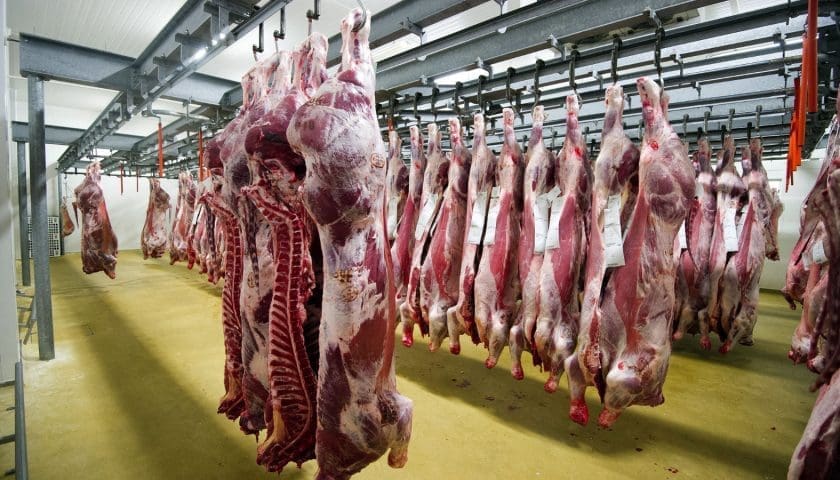
TANZANIA – Tanzania has authorized the importation of livestock products from Brazil, following the signing of sanitary agreements between the two countries, the Brazilian Ministry of Agriculture and Livestock announced.
The agreement allows Tanzanian traders to bring in meat and processed products from poultry, cattle, sheep, goats, and pigs, as well as poultry and bovine genetic materials, including fertilized eggs, day-old chicks, and embryos produced both in vivo and in vitro.
Live cattle intended for breeding purposes are also included in the newly approved list of imports, expanding options for Tanzanian farmers seeking high-performing stock.
Brazil is recognized globally for the size and quality of its livestock industry, housing more than 230 million cattle and developing breeds such as Nelore and Girolando, which are adapted to tropical climates and known for their resilience and yield.
In the country’s dairy sector, Brazilian cows produced an average of 2,362 liters of milk per animal in 2024, while the poultry industry recorded an average of 270 eggs per hen in 2022, according to official data.
By comparison, Tanzanian cows produce between 0.5 and 2 liters of milk per day, while local hens lay roughly 45 eggs per year, highlighting a significant gap in productivity between the two countries.
Observers suggest that the import approval reflects a strategy to introduce higher-yield breeds and genetic material that could increase the efficiency of domestic livestock operations.
The Tanzanian government has identified low livestock productivity as a major constraint for the sector, and aims to address this through its National Livestock Sector Transformation Plan (LSTP), which is set to run from 2022 to 2027 with an estimated budget of nearly US$814 million.
The LSTP outlines measures to enhance the quality and output of local herds, with imported genetics and breeding stock from Brazil expected to support these goals over the coming years.
Officials in Dodoma have indicated that the move may help reduce the productivity gap in milk and egg production while providing farmers access to superior livestock genetics and breeding technologies.
Sign up HERE to receive our email newsletters with the latest news and insights from Africa and around the world, and follow us on our WhatsApp channel for updates.

