
TNPA completes US$24.7M mooring investment across five ports
The units have been allocated as follows: Port of Ngqura 16, Port of Cape Town 14, Port of Durban 12, Port of Port Elizabeth 6, and Port of Saldanha 4.
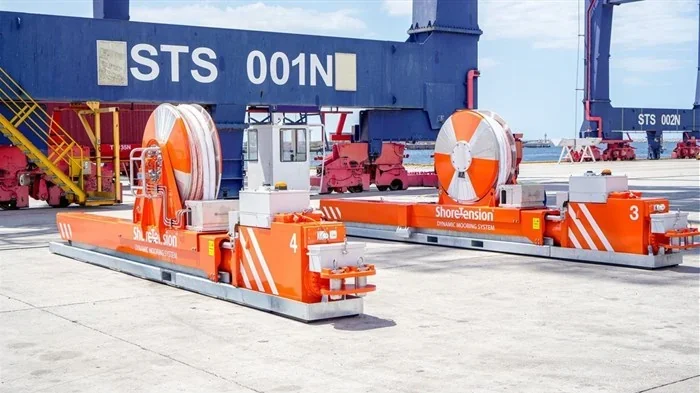
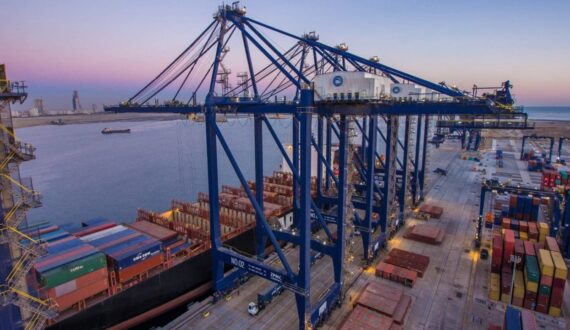
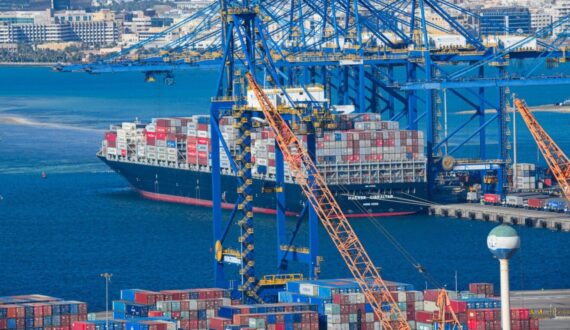
SOUTH AFRICA – Transnet National Ports Authority has completed a R434 million (US$24.72 million) investment in 52 hydraulic tension mooring units across five commercial seaports, with the final eight units commissioned.
According to the authority, the systems stabilize vessels alongside berths during adverse weather, limiting excessive movement and allowing cargo operations to continue safely.
Port allocation and weather thresholds
The units have been allocated as follows: Port of Ngqura 16, Port of Cape Town 14, Port of Durban 12, Port of Port Elizabeth 6, and Port of Saldanha 4.
Ngqura received the largest allocation because it accommodates larger container vessels and is exposed to crosswinds and berth surge conditions.
Shipping and cargo-handling operations at the ports are frequently affected by wind speeds exceeding 35 knots.
Ryan Woods, terminal planning manager at Maersk South Africa, said: “Our experience with the shore tensioners has been very positive. A key operational benefit has been the improved stability of vessels, providing considerable value by maintaining a safer and more stable interface between ship and shore during cargo operations.”
Skills transfer and operational rationale
The project included a skills-transfer programme implemented by ShoreTension B.V., equipping TNPA Marine Shorehands to operate and maintain the technology.
TNPA chief executive Mohammed Abdool said: “The successful rollout of hydraulic tension mooring units demonstrates TNPA’s commitment to investing in infrastructure that delivers tangible operational improvements for customers.”
“By reducing weather-related disruptions and enabling vessels to remain safely alongside berths during adverse conditions, this investment enhances the reliability, efficiency and competitiveness of South Africa’s ports,” he added.
Meanwhile, the Ngqura allocation reflects the port’s exposure profile rather than its throughput ranking.
Ngqura handles large container vessels at berths where crosswinds and surge disrupt operations, and shore tension units allow those vessels to remain alongside in conditions that would otherwise require them to be unberthed.
Cape Town’s 14 units address a different constraint. The port has experienced long-wave-related downtime that has historically disrupted fruit export operations.
Since 2023/24, ten shore tension units deployed there have reduced this downtime by 92%, according to Transport Minister Barbara Creecy. The remaining units extend that coverage.
Finally, the skills-transfer component is essential to long-term viability, as hydraulic tension units require maintenance and calibration; therefore, retaining technical capability within TNPA avoids reliance on the equipment supplier for routine servicing.
Sign up HERE to receive our email newsletters with the latest news and insights from Africa and around the world, and follow us on our WhatsApp channel for updates.